Look, I get it. You've spent months building a product, and your current marketing plan is heavily reliant on getting eyeballs from Google. But here's the cold, hard truth: the search environment has fundamentally shifted. Traditional SEO is no longer just about ranking blue links on a SERP. According to Datos data published by Adweek, AI searches on desktop already accounted for 5.6% of all search traffic in June. If your startup isn't visible inside AI-generated answers, you are practically invisible to a rapidly growing segment of your market.
Most startups completely overlook the importance of optimizing their AI content for search engines, which can dramatically impact visibility. I've seen too many founders fixate on social media when the real value lies in getting their site indexed correctly and cited by large language models (LLMs). This is where ai search visibility for startups comes into play.
TL;DR Summary
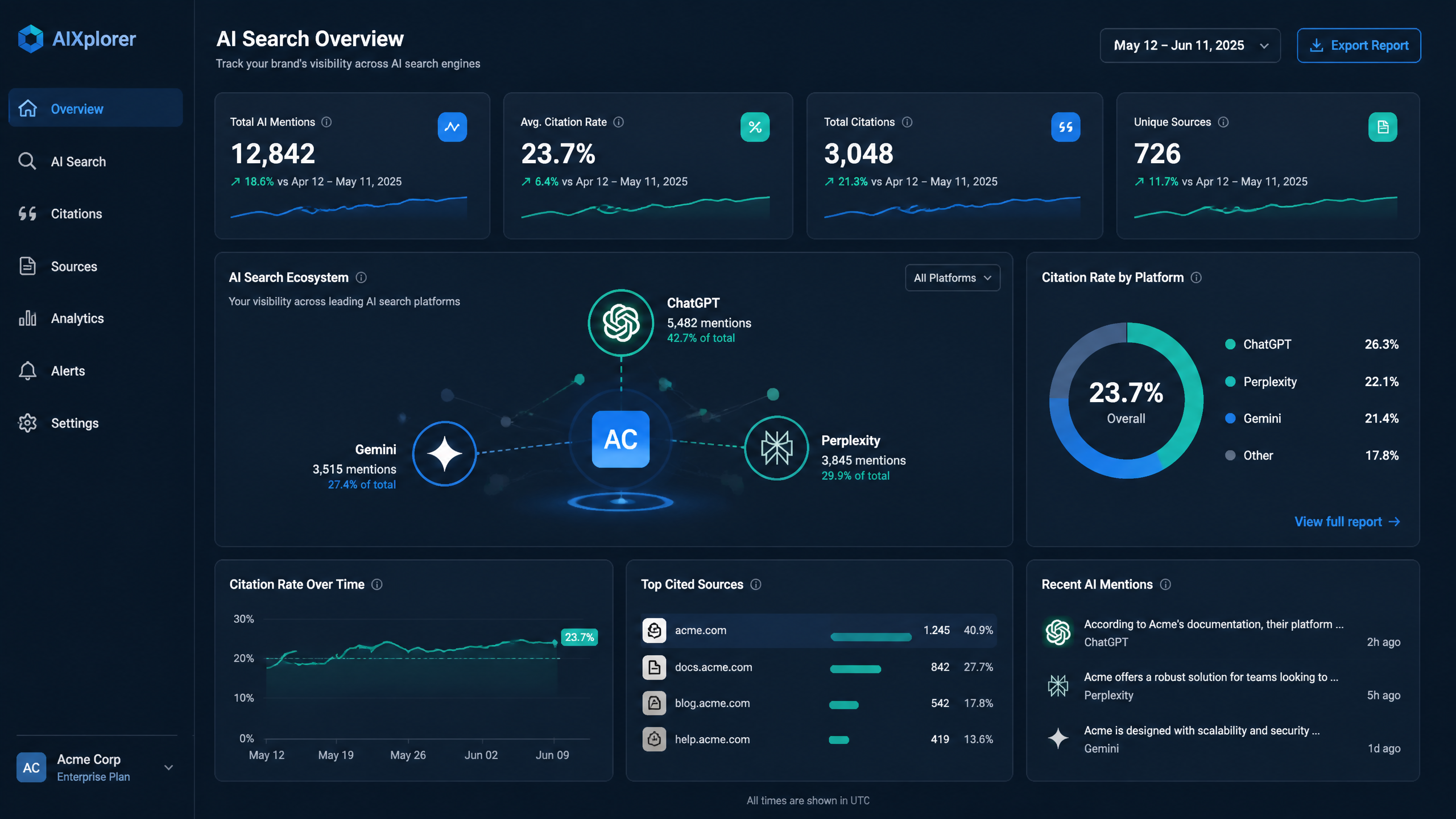
In the age of Generative Engine Optimization (GEO), startups must focus on getting cited inside AI answers generated by platforms like ChatGPT, Gemini, Perplexity, and Google AI Overviews. This roadmap explains how to measure your footprint, structure your data, earn third-party co-citations, and deploy automated loops to win the citation war.
Key Takeaways
• Optimize for RAG, Not Just Indexing: AI engines use Retrieval-Augmented Generation (RAG) to pull real-time data. Your site must be structured for machine readability.
• Earn Co-Citations: AI systems cluster brands based on proximity. If your brand is mentioned alongside industry giants on third-party sites, AI engines will recommend you.
• Structure Your Data: Implement robust schema markup to build strong entity signals in the knowledge graph.
• Automate the Loop: Manual checks do not scale. Use automated tools to trace prompts, find citation gaps, and deploy fixes.
Table of Contents
Defining AI Search Visibility for Startups
Measuring Your Startup's AI Footprint
The Step-by-Step Execution Playbook
On-Page GEO Formatting by Content Type
Troubleshooting and Board Reporting
AI Search Visibility FAQ Section
Defining AI Search Visibility for Startups
What is AI Search Visibility?
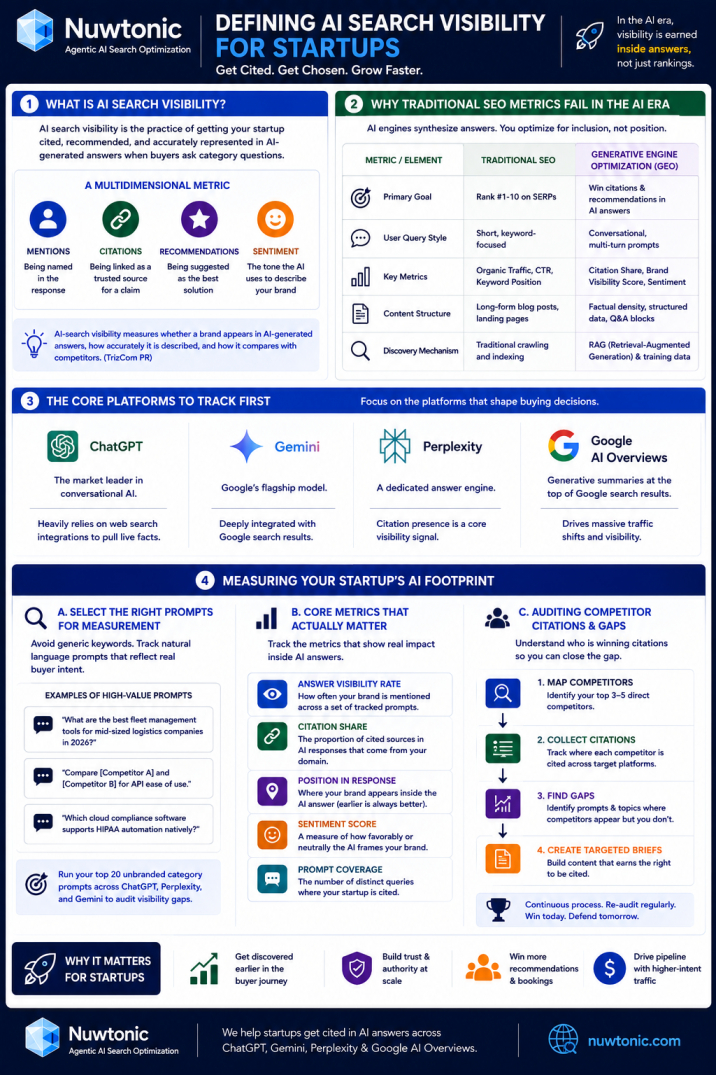
Alright, here's the deal: AI search visibility isn't about traditional keyword rankings or CTR. AI search optimization for startups is the practice of getting a startup cited inside answers generated by AI engines instead of being skipped when buyers ask category questions.
It is a multidimensional metric. As noted by TrizCom PR's visibility analysis, AI-search visibility measures whether a brand appears in AI-generated answers, how accurately it is described, and how it compares with competitors. It encompasses:
• Mentions: Simply being named in the response.
• Citations: Being linked as a trusted source for a specific claim.
• Recommendations: Being suggested as a solution to a user's problem.
• Sentiment: The tone (positive, neutral, negative) the AI uses to describe your brand.
Why Traditional SEO Metrics Fail in the AI Era
I've analyzed hundreds of startup sites, and the biggest mistake is treating AI engines like standard search engines. Traditional keywords and CTR do not capture whether a brand appears in AI-synthesized answers. In traditional SEO, you optimize for a specific SERP position. In AI search, you optimize for inclusion in a synthesized narrative.
Let's look at how these paradigms contrast:
Metric / Element | Traditional SEO | Generative Engine Optimization (GEO) |
|---|---|---|
Primary Goal | Rank #1-10 on SERPs | Win citations & recommendations in AI answers |
User Query Style | Short, keyword-focused | Conversational, multi-turn prompts |
Key Metrics | Organic Traffic, CTR, Keyword Position | Citation Share, Brand Visibility Score, Sentiment |
Content Structure | Long-form blog posts, landing pages | Factual density, structured data, Q&A blocks |
Discovery Mechanism | Traditional crawling and indexing | RAG (Retrieval-Augmented Generation) & training data |
The Core Platforms to Track First
If you're a resource-constrained founder, you cannot optimize for every single AI model out there. You need to focus on the heavy hitters. Your primary targets should be:
ChatGPT: The market leader in conversational AI, heavily relying on web search integrations to pull live facts.
Gemini: Google's flagship model, deeply integrated with Google search results.
Perplexity: A dedicated answer engine where citation presence is a core visibility signal.
Google AI Overviews: The generative summaries appearing at the top of Google search results, driving massive traffic shifts.
Measuring Your Startup's AI Footprint
Selecting the Right Prompts for Measurement
Look, I get it—you want to rank for everything. But you have to be tactical. Startups should avoid tracking generic keywords and instead focus on natural language prompts. Startups should run their top 20 unbranded category prompts across ChatGPT, Perplexity, and Gemini to audit visibility gaps.
These prompts should mimic real buyer behavior. For instance, instead of tracking "fleet management software," track:
• "What are the best fleet management tools for mid-sized logistics companies in 2026?"
• "Compare [Competitor A] and [Competitor B] for API ease of use."
• "Which cloud compliance software supports HIPAA automation natively?"
Core Metrics That Actually Matter
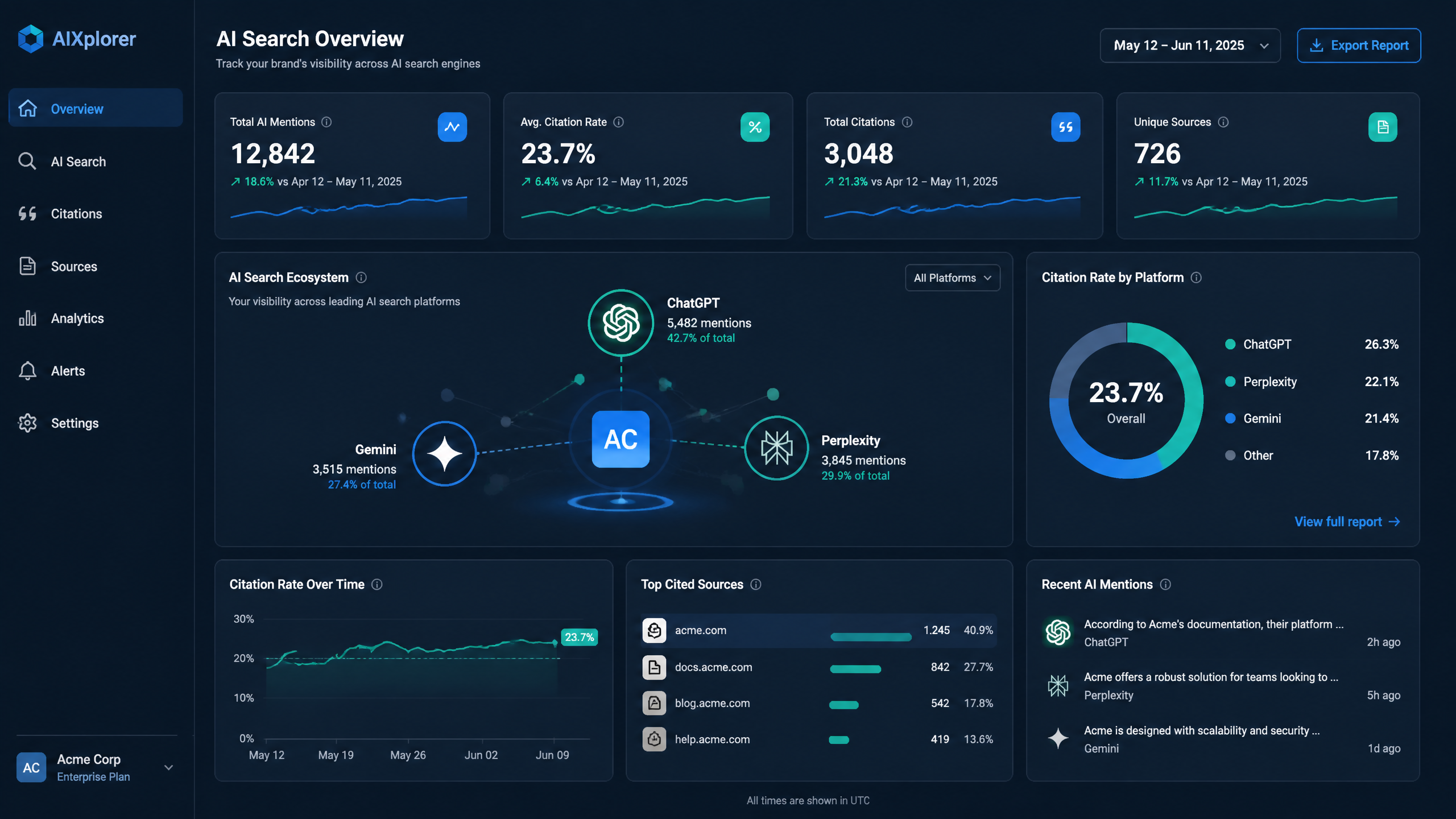
To prove to your board (and yourself) that your efforts are working, you need to track specific metrics. the most important AI search metrics are:
• Answer Visibility Rate: How often your brand is mentioned across a set of tracked prompts.
• Citation Share: The proportion of cited sources in AI responses that come from your domain.
• Position in Response: Where your brand appears inside the AI answer (earlier is always better).
• Sentiment Score: A measure of how favorably or neutrally the AI frames your brand.
• Prompt Coverage: The number of distinct queries where your startup is cited.
Auditing Competitor Citations & Gaps
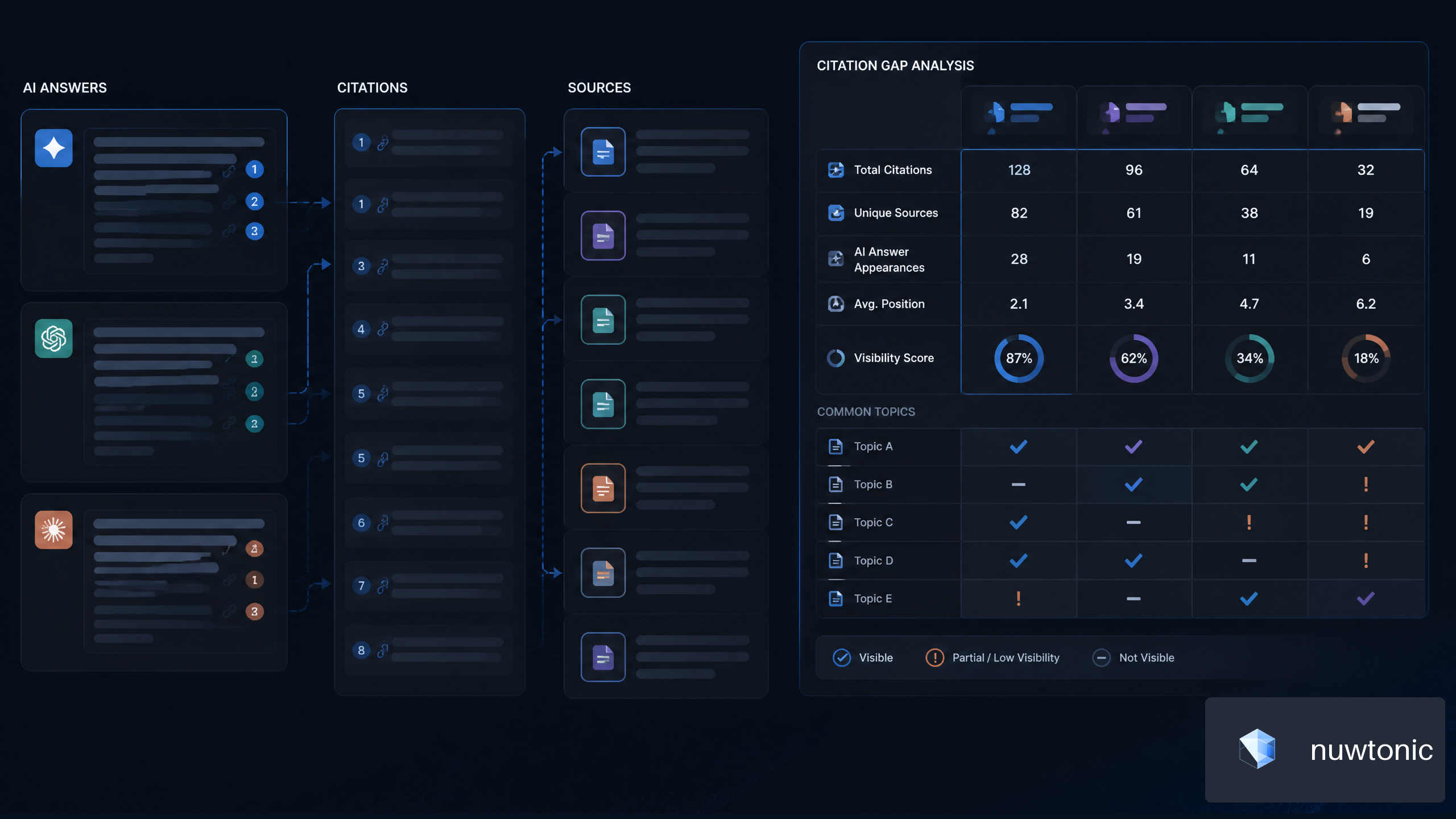
You aren't operating in a vacuum. To win, you must understand who is stealing your citations. I once worked with a developer tools startup that couldn't understand why Perplexity kept recommending their competitor. After a thorough audit of our AI SEO optimization strategies, we realized the competitor had 15 unlinked mentions on highly trusted developer forums that the AI was scraping.
By utilizing competitor citation gaps, startups can identify missed prompts and create targeted content briefs to win those citations back. This is an ongoing process, not a one-time fix.
The Step-by-Step Execution Playbook for AI Visibility for Startups
Phase 1: Entity Seeding and Foundation (Months 0–3)
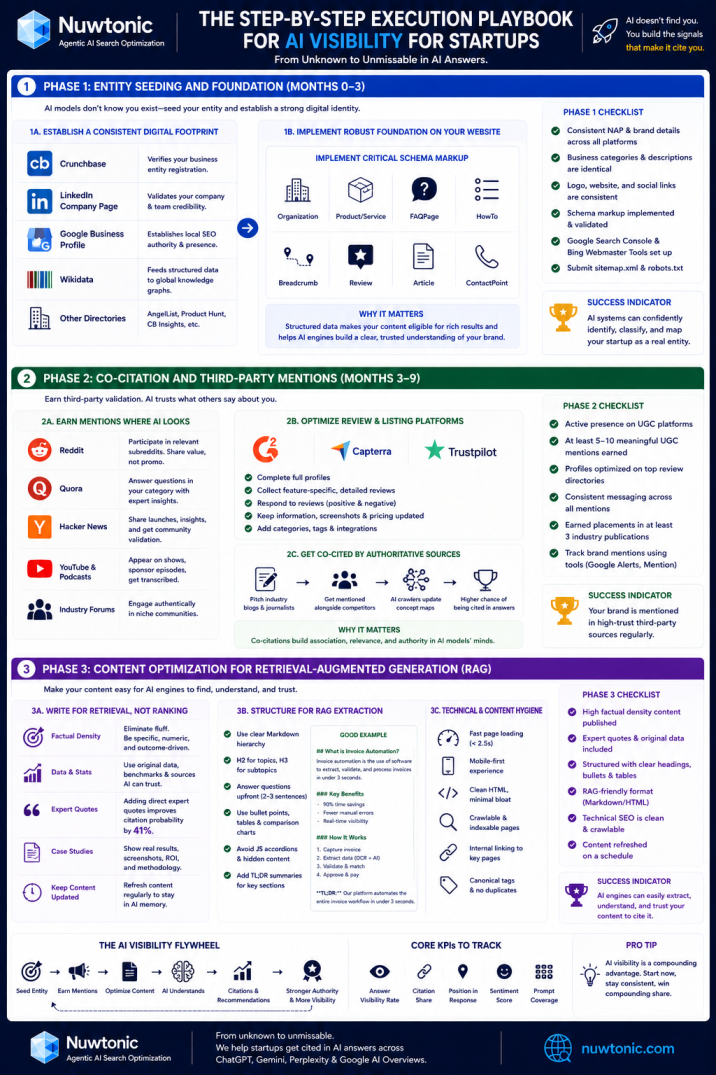
The best strategies often come down to understanding your audience—if you know them, you can optimize effectively. But before you do that, you must establish your identity. If your startup is new, AI models don't know you exist because you aren't in their historical training data. You must seed your entity.
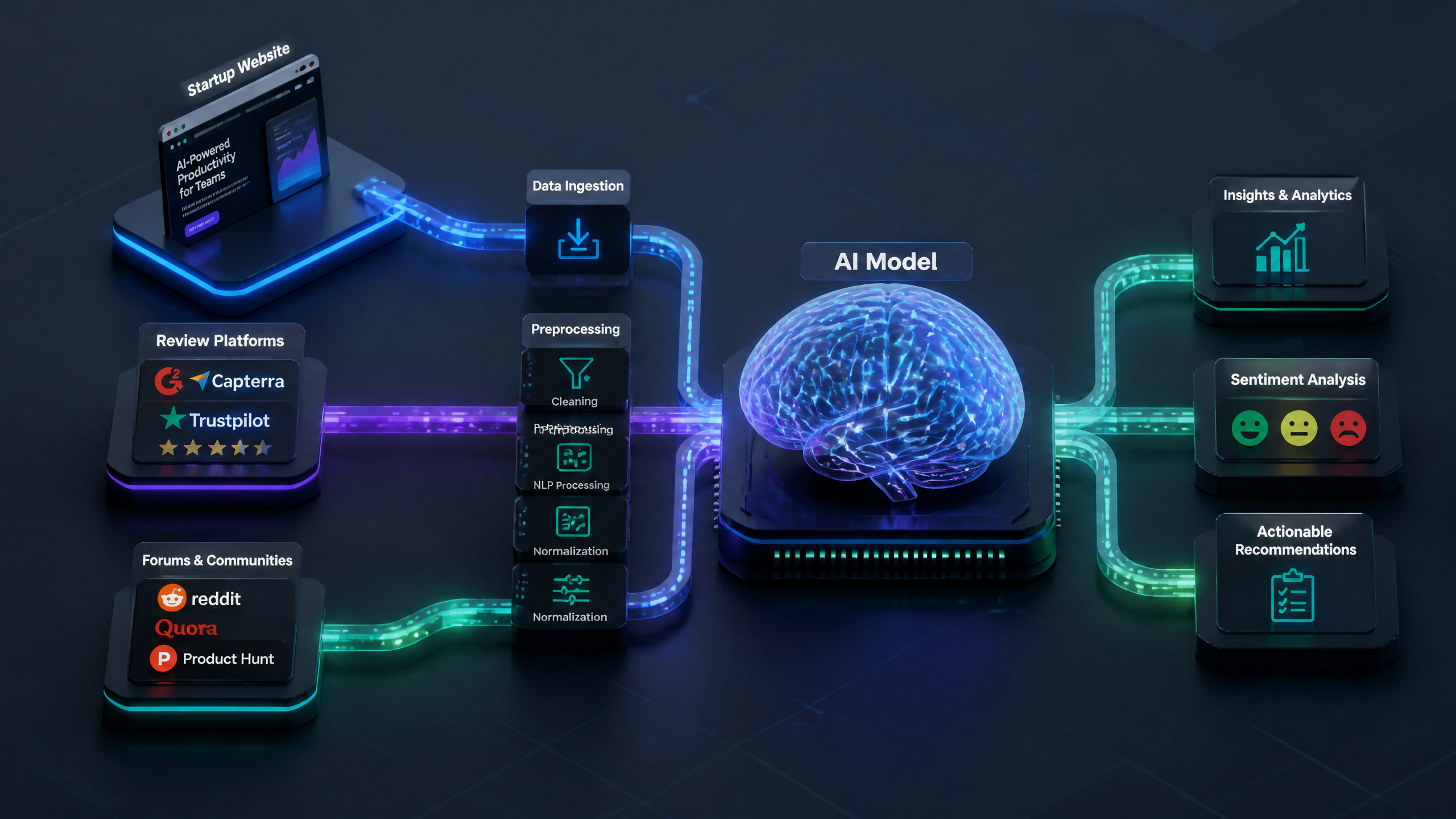
Your first step is to establish a consistent digital footprint. You must copy-paste your exact name, category, and description across:
• Crunchbase & LinkedIn: Verifies your business entity registration.
• Google Business Profile: Establishes local SEO authority and physical entity presence.
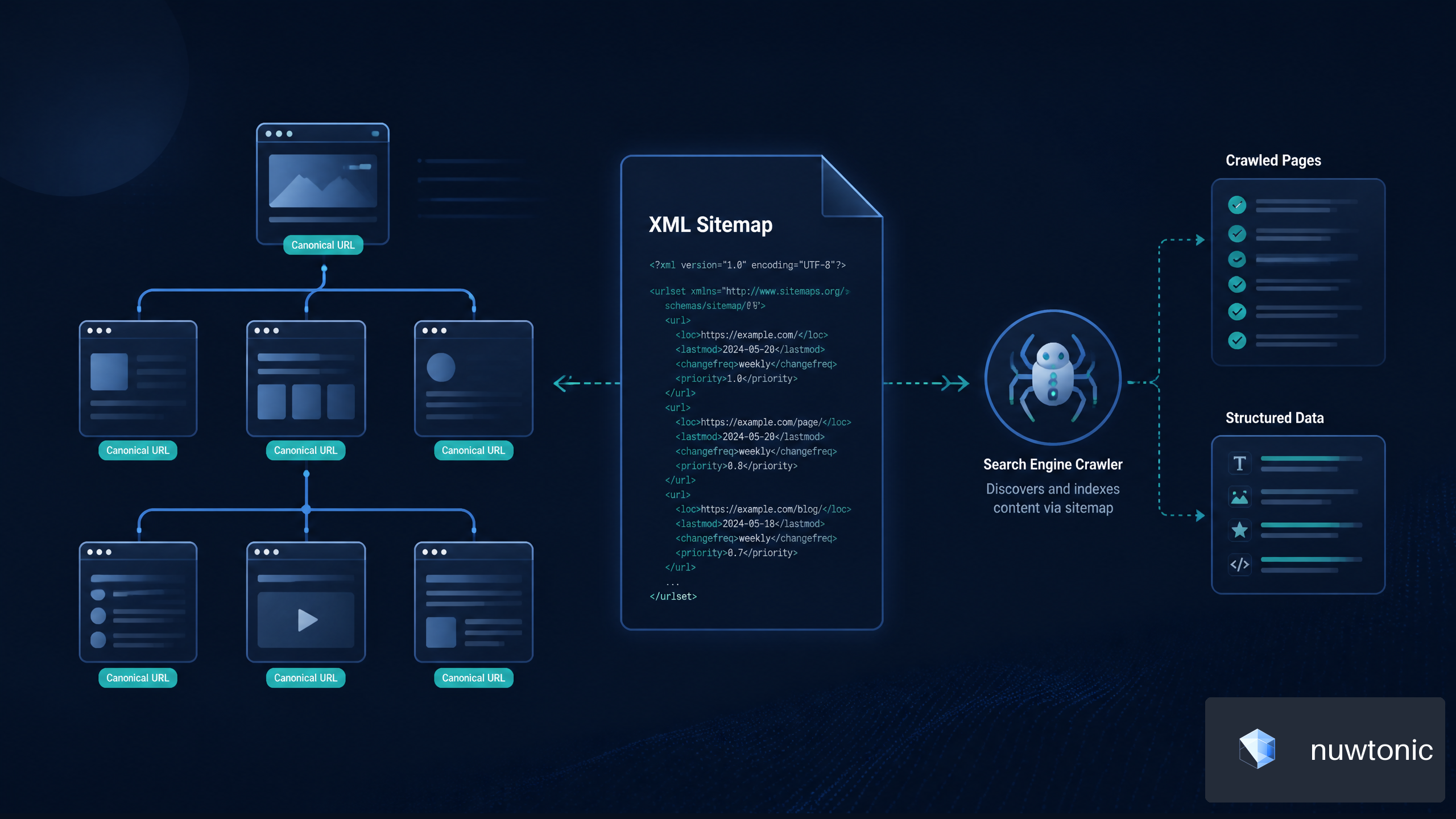
• Wikidata: The ultimate structured data source for knowledge graphs.
On your website, you must implement robust schema markup to support your strategies for ranking in Google with AI. Adding structured data helps content become eligible for rich results and supports knowledge-graph understanding of your brand.
Phase 2: Co-Citation and Third-Party Mentions (Months 3–9)
Here is a common misconception: founders think that if they publish great content on their own blog, AI engines will magically find and cite them. That's a fantasy. AI systems draw from the online content ecosystem, not just your company website. You need third-party validation.
According to Mucker's startup guide, building visibility around external validations is critical. You must actively pursue:
• User-Generated Content (UGC) Platforms: AI crawlers love Reddit, Quora, and Hacker News because they represent raw, un-marketed human opinions.
• Review Directories: Ensure your profiles on G2, Capterra, and Trustpilot are active and filled with feature-specific reviews.
• Co-Citation PR: Pitch industry blogs to get your brand listed alongside your top competitors. When an AI crawler reads your brand name grouped in the same paragraph as an industry leader, it updates its concept map.
Phase 3: Content Optimization for Retrieval-Augmented Generation (RAG)
RAG is the mechanism AI engines use to search the live web for answers. To be cited, your content must be optimized for RAG extraction.
This requires a shift in how you write:
• Factual Density: Eliminate marketing fluff. Instead of saying "We leverage synergy to empower workflows," say "Our software automates invoice processing in under 3 seconds."
• Expert Quotes: Adding direct expert quotes improves citation probability by 41%. This plays directly into the importance of EEAT for AI SEO.
• Markdown Hierarchy: Use clean ## and ### headers. Avoid complex JavaScript accordions that hide text from basic crawlers.
On-Page GEO Formatting by Content Type
Original Research & Structured Data
If you want to be cited as an authority, you must publish primary research data. AI models are starved for original, verified numbers. When you publish a study, do not gate it behind a PDF or hide it inside an interactive chart.
Instead, place your key findings in a clean Markdown table at the top of the page.
Research Metric | Startup Benchmark (Average) | Top-Performing Range |
|---|---|---|
AI Answer Visibility Rate | 4.2% | 18.5% - 25.0% |
Average Citation Share | 1.8% | 12.0% - 15.5% |
Prompt Coverage (Top 20) | 2.1 prompts | 14.0 - 18.0 prompts |
Formatting Case Studies and Technical Docs
Narrative case studies ("Once upon a time, Client X succeeded...") fail in AI search. AI crawlers need structural scannability. Format your case studies with a rigid, programmatic structure:
Programmatic Case Study Layout:
• Client Entity: Mid-market logistics provider.
• Challenge: Manual routing errors costing $15,000 monthly.
• Solution: Implemented our automated routing API.
• Outcome: 94% reduction in routing errors within 30 days.
Managing the Automated Optimization Loop
Let's be realistic: checking prompts manually across multiple LLMs does not scale. To run this effectively on a startup budget, you need an automated workflow.
Your workflow should look like this:
Track: Monitor unbranded prompts daily.
Analyze: Identify which competitors are cited and why.
Remediate: Programmatically update your content, internal links, and schema to close the gap.
This is exactly what we built Nuwtonic to do. By combining Google Search Console data with automated SEO analysis and execution, Nuwtonic helps startups identify their citation gaps and automatically deploy on-page fixes to keep their site citation-ready.
AI Visibility Troubleshooting and Board Reporting
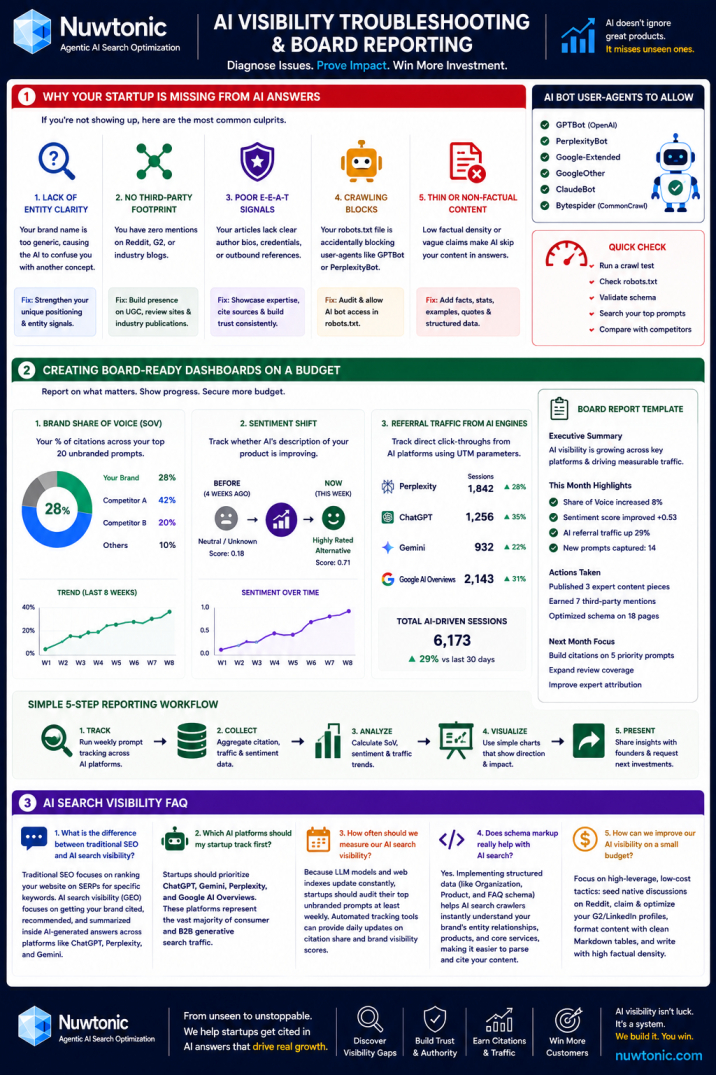
Why Your Startup is Missing from AI Answers
If you've been executing these tactics and still aren't showing up, here are the most common reasons why:
• Lack of Entity Clarity: Your brand name is too generic, causing the AI to confuse you with another concept.
• No Third-Party Footprint: You have zero mentions on Reddit, G2, or industry blogs.
• Poor E-E-A-T Signals: Your articles lack clear author bios, credentials, or outbound references.
• Crawling Blocks: Your robots.txt file is accidentally blocking user-agents like GPTBot or PerplexityBot.
Creating Board-Ready Dashboards on a Budget
Startups need proof that AI visibility is improving and worth investment. When reporting to founders or board members, avoid vanity metrics.
Build your dashboard around these three core pillars:
Brand Share of Voice (SoV): Your percentage of citations across your top 20 unbranded prompts.
Sentiment Shift: Tracking whether the AI's description of your product has evolved from "unknown" to "highly rated alternative."
Referral Traffic from AI Engines: Tracking direct click-throughs from Perplexity, Gemini, and Google AI Overviews using UTM parameters.
AI Search Visibility FAQ Section
What is the difference between traditional SEO and AI search visibility?
Traditional SEO focuses on ranking your website on search engine results pages (SERPs) for specific keywords. AI search visibility (or Generative Engine Optimization) focuses on ensuring your brand is cited, recommended, and summarized inside AI-generated answers across platforms like ChatGPT, Perplexity, and Gemini.
Which AI platforms should my startup track first?
Startups should prioritize ChatGPT, Gemini, Perplexity, and Google AI Overviews. These platforms represent the vast majority of consumer and B2B generative search traffic.
How often should we measure our AI search visibility?
Because LLM models and web indexes update constantly, startups should audit their top unbranded prompts at least weekly. Automated tracking tools can provide daily updates on citation share and brand visibility scores.
Does schema markup really help with AI search?
Yes. Implementing structured data (like Organization, Product, and FAQ schema) helps AI search crawlers instantly understand your brand's entity relationships, products, and core services, making it easier to parse and cite your content.
How can we improve our AI visibility on a small budget?
Focus on high-leverage, low-cost tactics: seed native discussions on Reddit, claim and optimize your G2/LinkedIn profiles, format your blog posts with clean Markdown tables, and write with high factual density.
Sources and References
• TrizCom PR AI Search Visibility Guide
• Mucker Capital Startup Guide to AI Visibility