Nuwtonic AI SEO Agent Logo
Nuwtonic

Keyword research & clustering

Keyword research and clustering grounded in how search results actually group

Stop exporting giant lists that fight the same SERPs. Nuwtonic gives you a single workspace to explore terms, build SERP-aligned clusters, inspect depth on any query, read demand signals, track intelligence over time, and trigger next-step actions without hopping tools.

Keyword research & clustering

1. Keyword research & deep analysis on any keyword

The pain

Spreadsheet exports make every term look alike, while a single difficulty score hides whether you can win the SERP, what format to ship, and which adjacents actually matter.

The outcome

Move from list triage to a decisive read on any query in one workflow — fewer tabs, fewer guessy briefs.

How Nuwtonic solves it

  • Use the main research workspace — filters, lists, and metrics — so priorities surface before you assign writers.
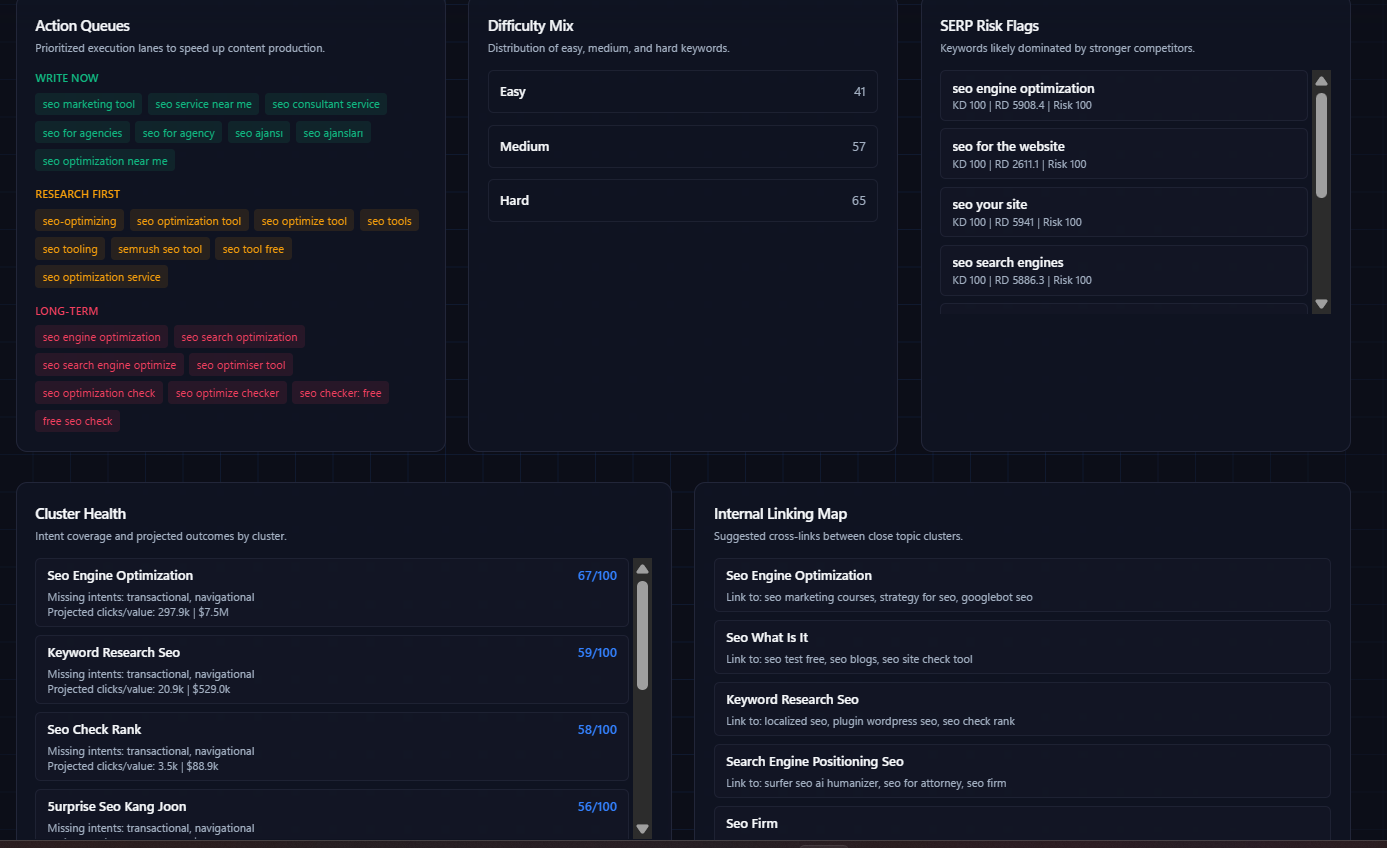
  • Open deep analysis on any keyword to inspect competition, SERP pattern, and format fit (guide vs comparison vs tool).
  • Surface related and long-tail adjacents without losing the parent term’s strategic anchor.
  • Decide publish, refresh, or consolidate before you spend production time — with context the whole team can see.
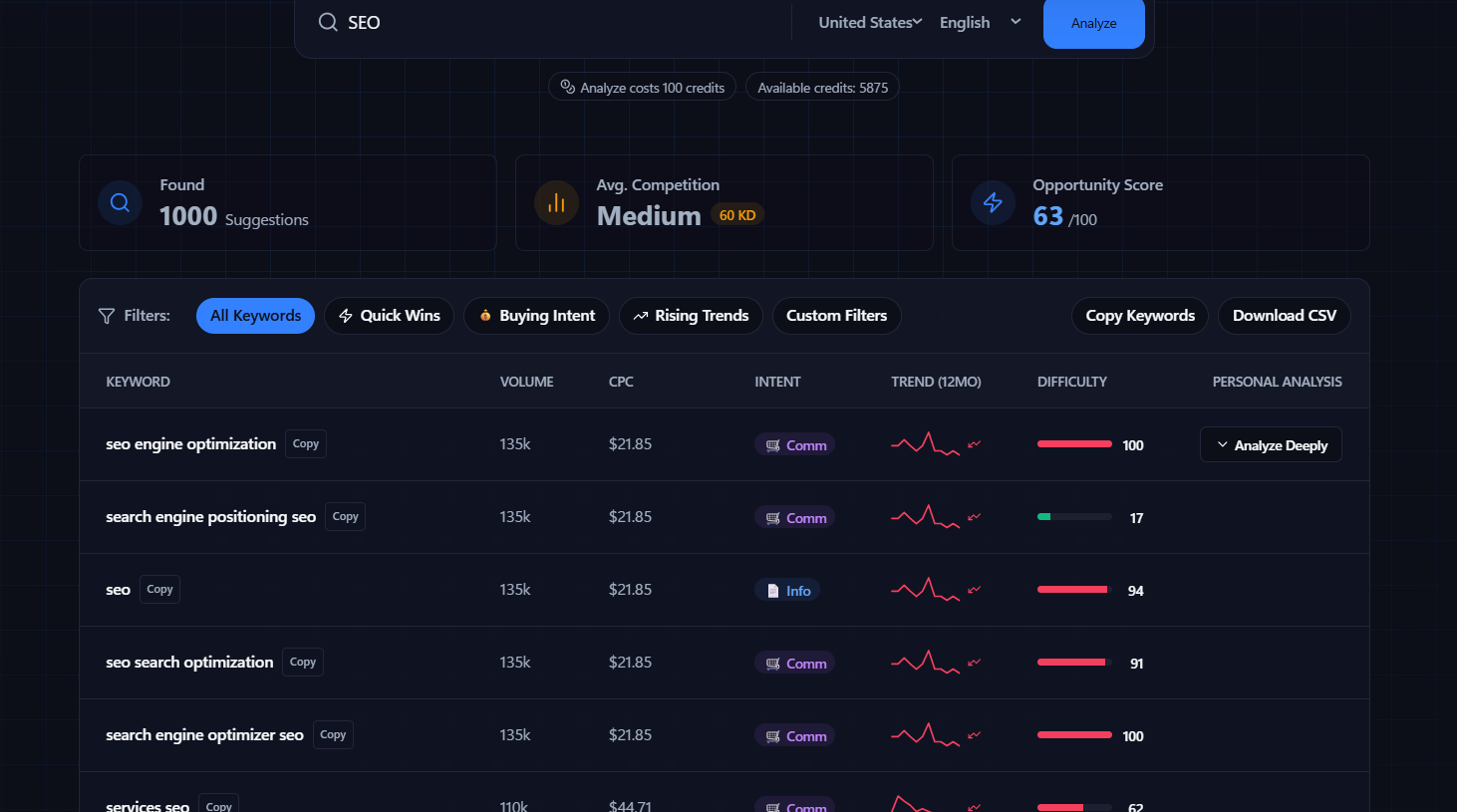
Keyword research workspace with lists, filters, and metrics for prioritizing queries
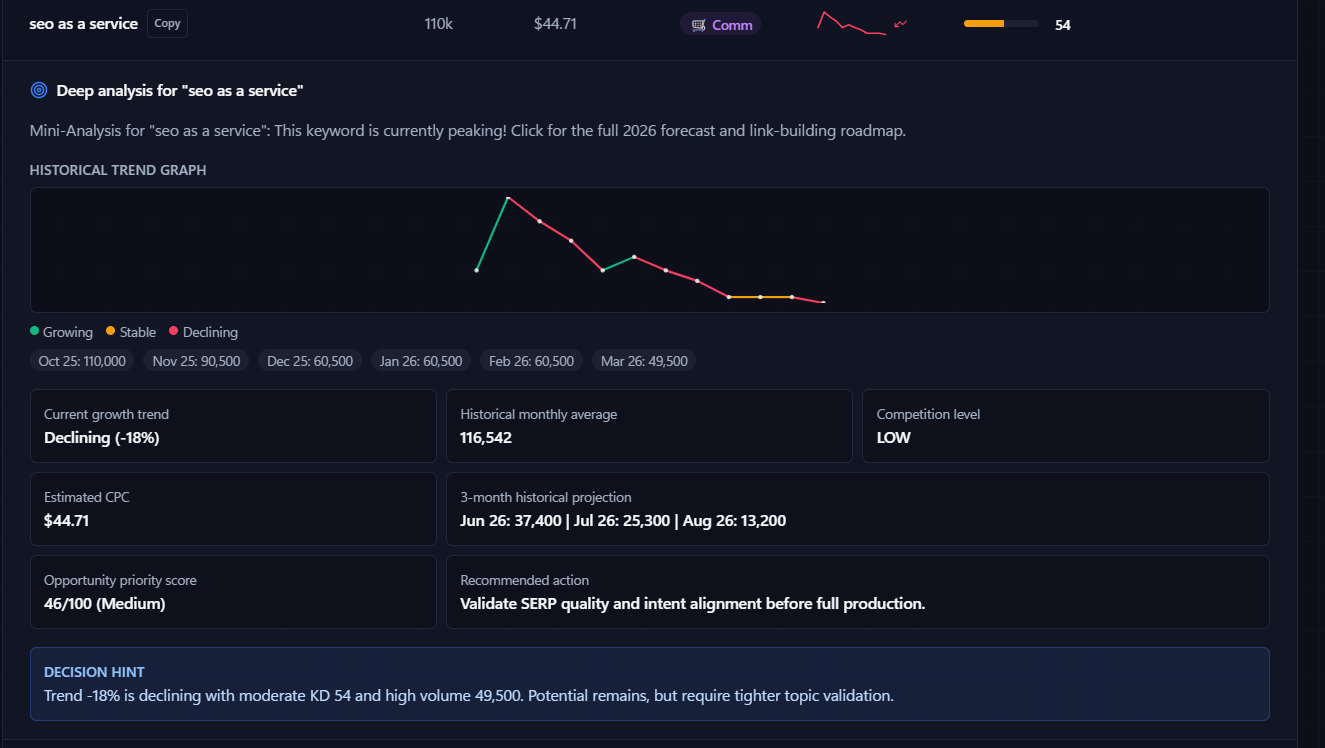
Deep keyword analysis panel with metrics, context, and competitive framing for one query

Keyword research & clustering

2. SERP-based clustering

The pain

Volume-first or lexical-only grouping puts competing intents in the same bucket and plans content that cannibalizes itself.

The outcome

Clusters that respect who you compete with on the page, not just alphabet soup.

How Nuwtonic solves it

  • Group keywords by shared SERP DNA so primary and supporting terms align with the same ranking sets.
  • Separate overlapping intents before you brief writers — fewer collisions, clearer internal links.
  • Use the clustering surface as the briefing layer: each group is a publishable unit, not a CSV row.
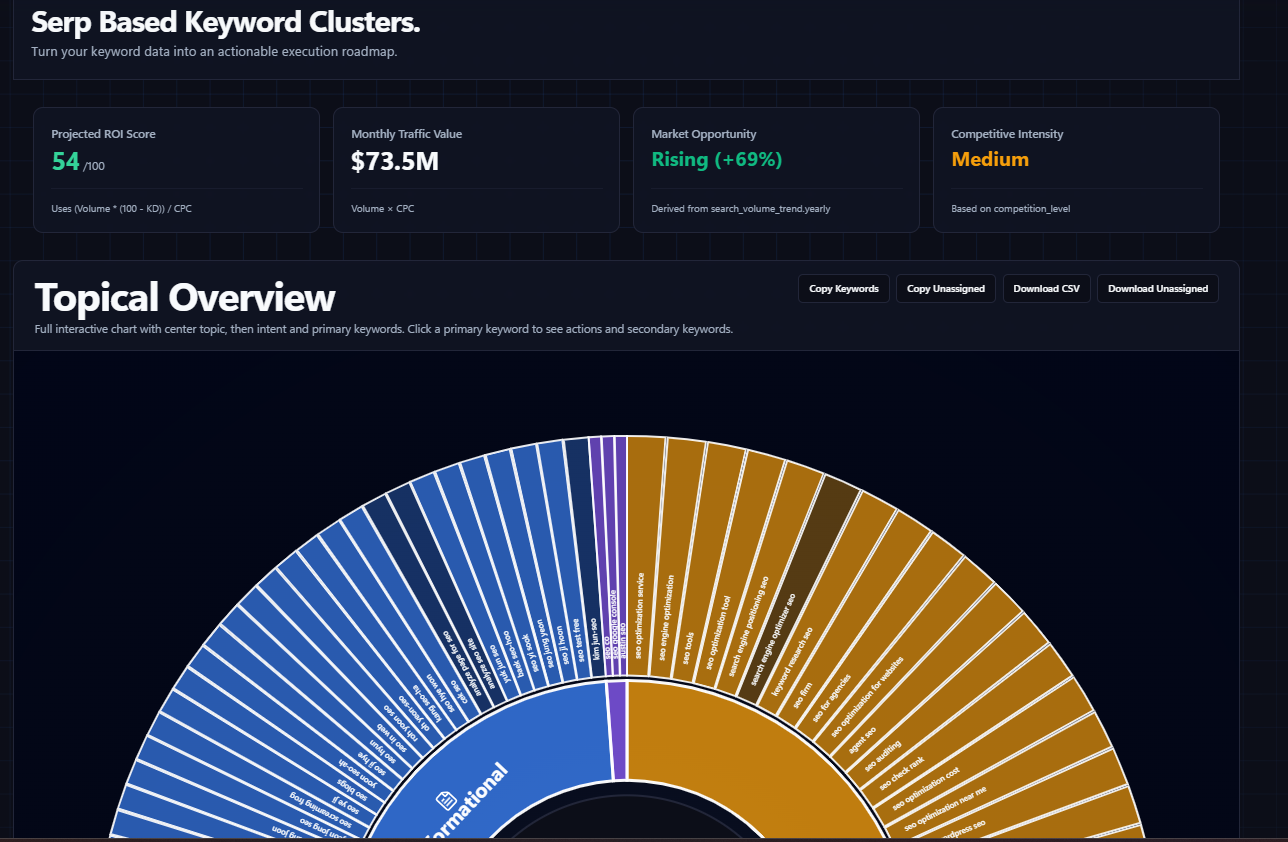
SERP-based clustering interface showing how queries group by overlapping search results

Keyword research & clustering

3. Cluster and topical map

The pain

Flat spreadsheets hide parent, child, and lateral relationships — so teams cannot see the hub they are supposed to reinforce.

The outcome

A readable map of how topics relate before you commit headlines and URLs.

How Nuwtonic solves it

  • See hub-and-spoke structure at a glance so pillar and support coverage stay coherent.
  • Spot gaps where thin pages orbit the same intent without a real center of gravity.
  • Hand off clusters to planning with context intact — less back-and-forth between SEO and editorial.
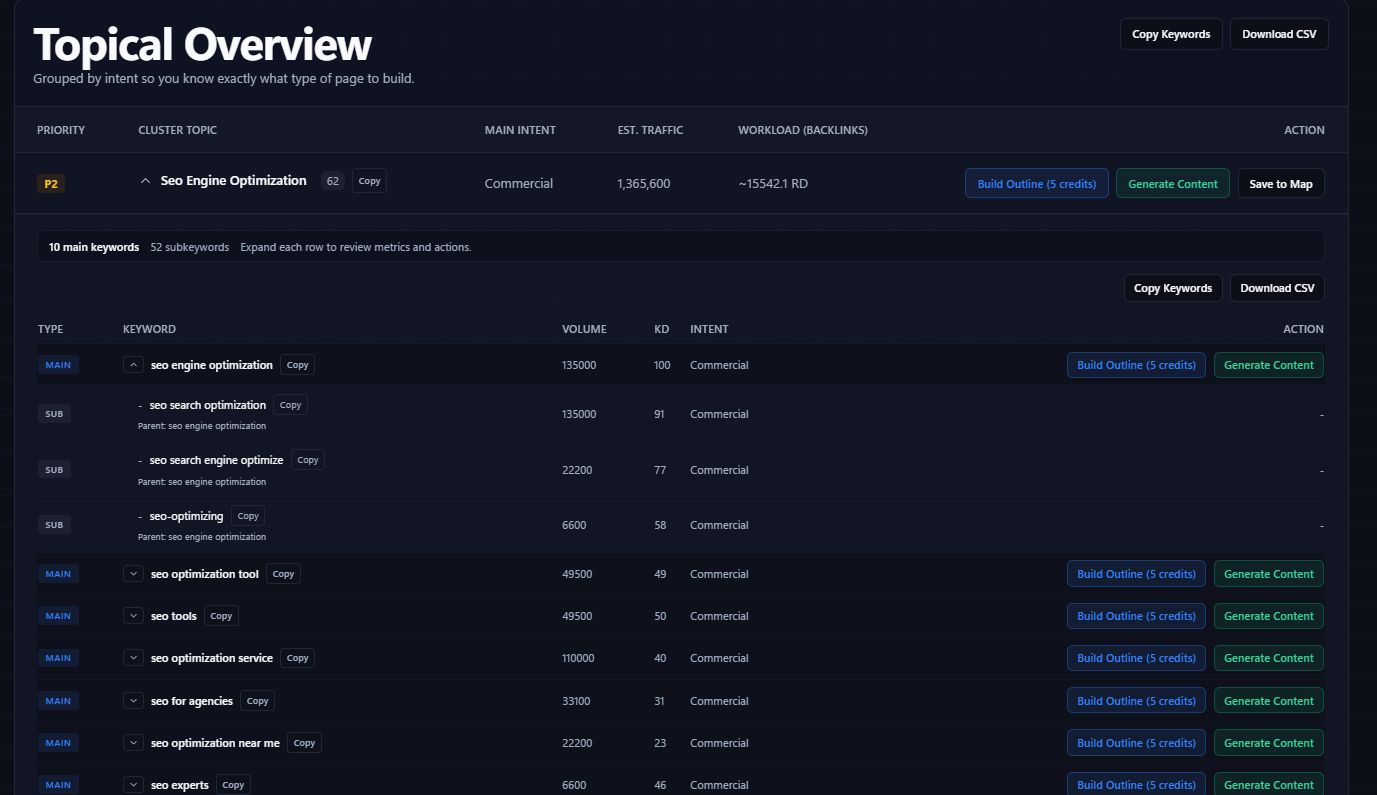
Keyword cluster map with connected topics and sub-groups for topical planning

Keyword research & clustering

4. Demand forecasting

The pain

Static volume snapshots make every keyword look equally urgent — and miss rising or fading interest.

The outcome

Demand you can time: where to push now vs where to queue later.

How Nuwtonic solves it

  • Read trajectory-style signals so roadmap themes match market momentum, not just monthly averages.
  • Compare opportunities with forecast context to defend priorities in cross-team reviews.
  • Reduce wasted sprints on terms that look big on paper but are flat or decaying.
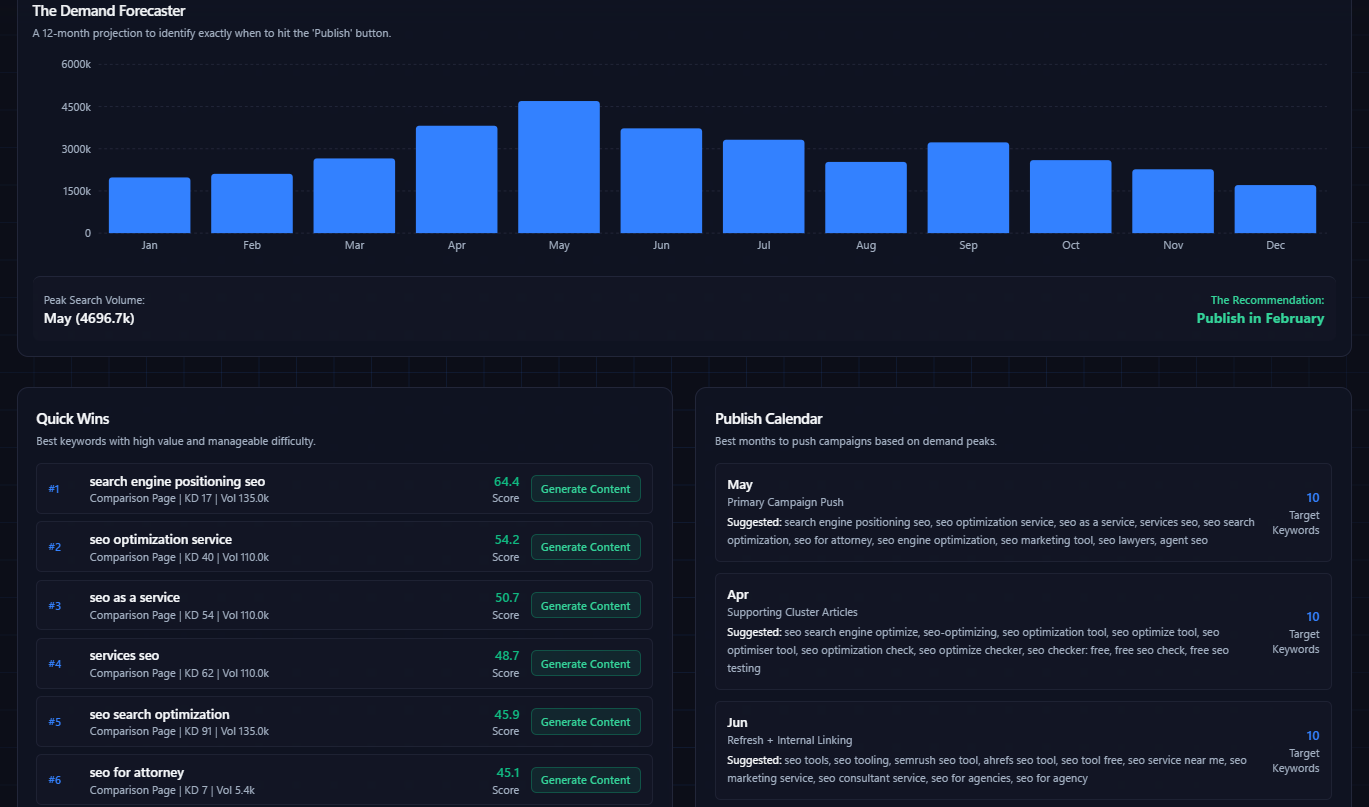
Demand forecaster view with trend-style signals for prioritizing keyword opportunities

Keyword research & clustering

5. Keyword intelligence log

The pain

Research lives in email threads and personal notes — when priorities shift, nobody can explain why.

The outcome

An auditable trail of what changed, when, and what you decided.

How Nuwtonic solves it

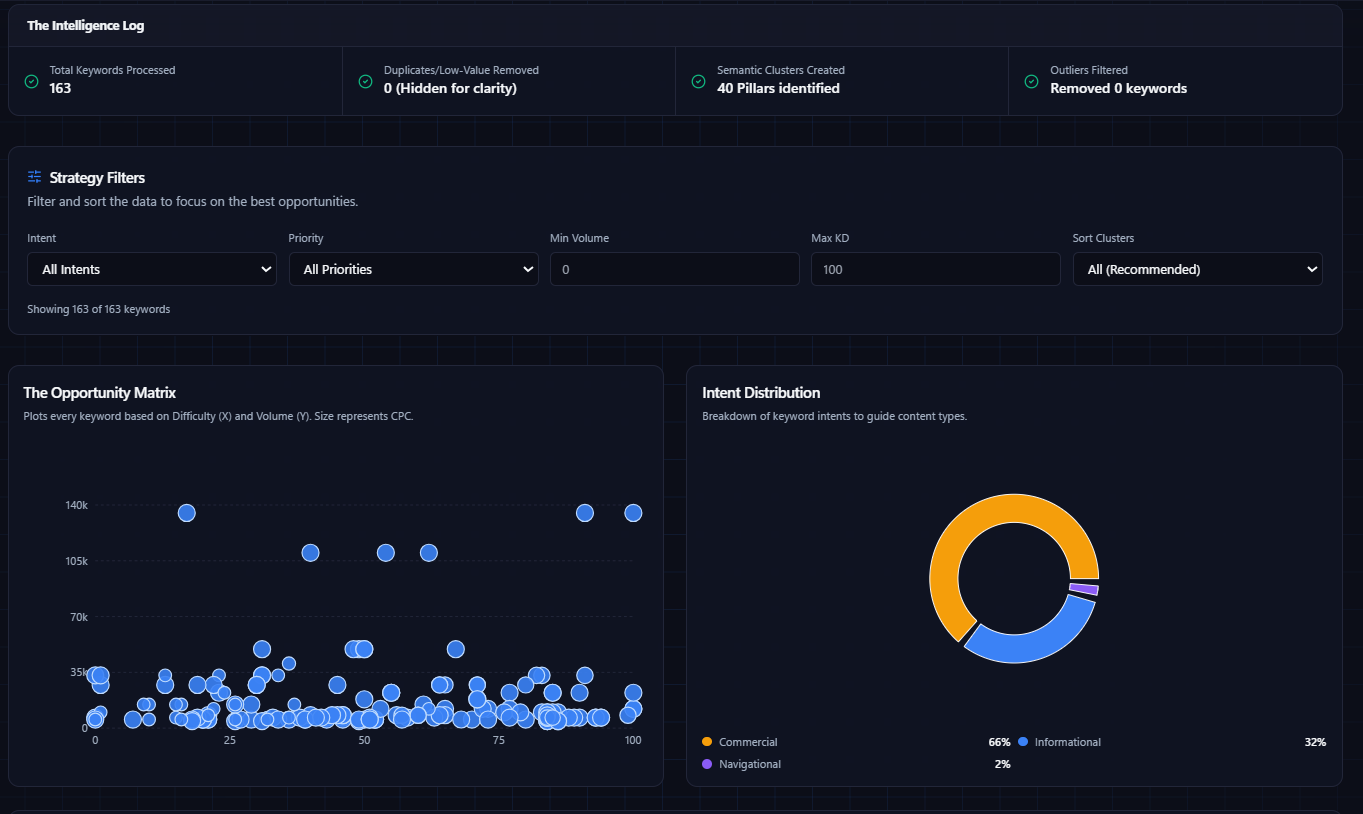
  • Track cluster and keyword intelligence as it evolves instead of losing it across exports.
  • Give managers and agencies a shared memory so strategy does not reset every quarter.
  • Onboard new teammates faster: the log tells the story behind the current plan.
Keyword intelligence log listing changes and signals over time for auditability

Keyword research & clustering

6. Quick actions at scale

The pain

Repeating the same clicks for dozens of clusters burns time and invites inconsistent tagging or misses.

The outcome

One place to move clusters forward with consistent, high-leverage operations.

How Nuwtonic solves it

  • Run bulk-friendly workflows from the same screen you used to validate SERP fit.
  • Keep labeling, export, and downstream handoffs consistent so content ops stay predictable.
  • Shorten the gap between "we agree on this cluster" and "it is in the production queue."
Quick actions menu for batch operations on keyword sets and clusters

Frequently asked questions

How is SERP-based clustering different from grouping by similarity?

Similarity-only groups can merge terms that never share the same top results. SERP-based clustering uses real overlap in ranking pages so your clusters match how Google groups intent today.

Can small teams still get value without a full content redesign?

Yes. Start with one hub, validate cluster quality and demand signals, then expand. The intelligence log and quick actions help you scale process before you scale page count.

Does this replace spreadsheets entirely?

You can still export when needed, but the workspace is built so planning, context, and actions stay in one system — fewer broken formulas and lost commentary.

Plan clusters your team can actually ship

Move from keyword lists to SERP-smart groups, demand-aware priorities, and repeatable actions — without losing the story of why you chose them.