If you're looking for a Peec AI alternative, chances are you've outgrown basic AI visibility tracking and want a platform that offers deeper insights, broader search engine coverage, or automation beyond reporting.
The AI search optimization market is evolving rapidly. While many tools focus on tracking brand mentions across AI assistants, businesses increasingly need solutions that help them understand why they're visible, identify optimization opportunities, and improve their presence across both traditional and AI-powered search.
This guide compares the best Peec AI alternatives based on:
AI search visibility tracking
Google Search + AI Search coverage
Competitive intelligence
Content optimization capabilities
Automation and workflows
Pricing and model coverage
Best-fit use cases
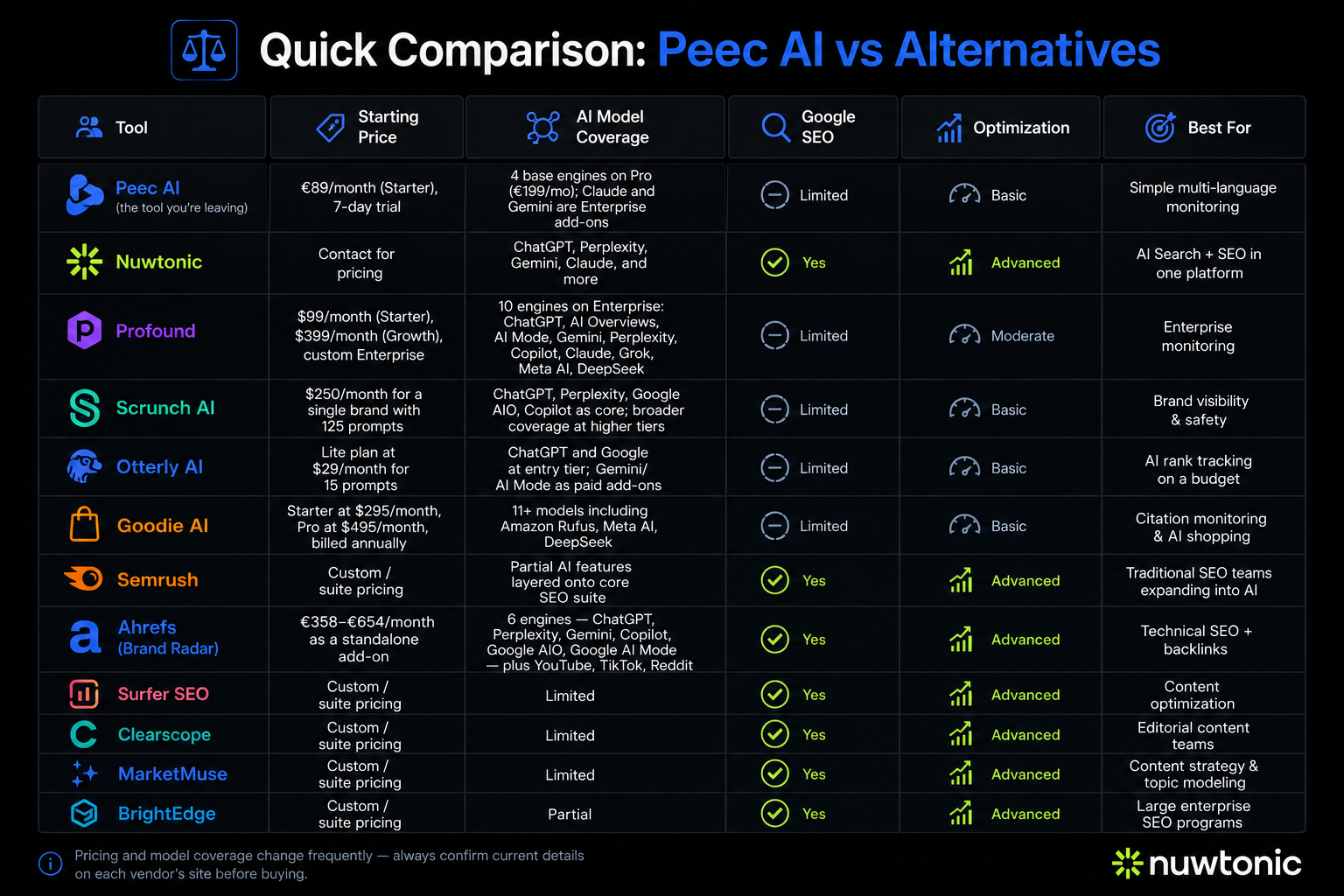
Quick Comparison: Peec AI vs Alternatives
Tool | Starting Price | AI Model Coverage | Google SEO | Optimization | Best For |
|---|---|---|---|---|---|
Peec AI (the tool you're leaving) | €89/month (Starter), 7-day trial | 4 base engines on Pro (€199/mo); Claude and Gemini are Enterprise add-ons | Limited | Basic | Simple multi-language monitoring |
Nuwtonic | Contact for pricing | ChatGPT, Perplexity, Gemini, Claude, and more | ✅ | Advanced | AI Search + SEO in one platform |
Profound | $99/month (Starter), $399/month (Growth), custom Enterprise | 10 engines on Enterprise: ChatGPT, AI Overviews, AI Mode, Gemini, Perplexity, Copilot, Claude, Grok, Meta AI, DeepSeek | Limited | Moderate | Enterprise monitoring |
Scrunch AI | $250/month for a single brand with 125 prompts | ChatGPT, Perplexity, Google AIO, Copilot as core; broader coverage at higher tiers | Limited | Basic | Brand visibility & safety |
Otterly AI | Lite plan at $29/month for 15 prompts | ChatGPT and Google at entry tier; Gemini/AI Mode as paid add-ons | Limited | Basic | AI rank tracking on a budget |
Goodie AI | Starter at $295/month, Pro at $495/month, billed annually | 11+ models including Amazon Rufus, Meta AI, DeepSeek | Limited | Basic | Citation monitoring & AI shopping |
Semrush | Custom / suite pricing | Partial AI features layered onto core SEO suite | ✅ | Advanced | Traditional SEO teams expanding into AI |
Ahrefs (Brand Radar) | €358–€654/month as a standalone add-on | 6 engines — ChatGPT, Perplexity, Gemini, Copilot, Google AIO, Google AI Mode — plus YouTube, TikTok, Reddit | ✅ | Advanced | Technical SEO + backlinks |
Surfer SEO | Custom / suite pricing | Limited | ✅ | Advanced | Content optimization |
Clearscope | Custom / suite pricing | Limited | ✅ | Advanced | Editorial content teams |
MarketMuse | Custom / suite pricing | Limited | ✅ | Advanced | Content strategy & topic modeling |
BrightEdge | Custom / suite pricing | Partial | ✅ | Advanced | Large enterprise SEO programs |
Pricing and model coverage change frequently , always confirm current details on each vendor's site before buying.
Why People Look for a Peec AI Alternative
Peec AI is an established mid-market player, founded in 2022 by a team with Google and DeepMind engineering backgrounds, with customers including Wix, Glide, and Graphite. It tracks brand visibility across AI search engines like ChatGPT, Perplexity, Claude, and Gemini using UI scraping, letting teams monitor prompts, rankings, citations, and competitors starting at €89/month with a 7-day trial.
So why do teams go looking for something else? A few gaps show up consistently across independent reviews and comparison sites:
Model coverage is capped on the entry tiers. The Pro plan covers only four base AI engines, with Claude and Gemini pushed into custom-priced Enterprise add-ons, and usage is capped at 100 prompts and 9,000 AI Answers per month.
Monitoring without action. Peec is good at telling you how visible your brand is, but not why that visibility changes or what to do about it — every insight typically requires opening a separate tool to act on it.
No content or execution layer. There's no built-in content creation, site auditing, or traditional SEO tooling, so teams end up stitching together multiple platforms to go from "insight" to "fix."
Real users confirm the same pain points. On r/GEO_optimization, one user described wanting a tool that surfaces where they appear automatically rather than requiring every prompt to be entered manually.
It's strongest for a specific use case. Peec AI's real strength is multi-language global monitoring and EU compliance, which makes it a great fit for international brands based in Europe — but teams that need real-time monitoring and actionable optimization guidance often outgrow it.
That's the gap this list of alternatives addresses.
How We Evaluated Peec AI Alternatives
Instead of ranking tools based on popularity, we compared them across criteria that matter most for AI search optimization:
Criteria | Why It Matters |
|---|---|
AI Search Coverage | Tracks visibility across ChatGPT, Gemini, Perplexity, Claude, and other AI platforms. |
Google Search Integration | AI search doesn't exist in isolation—organic search still drives authority and citations. |
Competitive Intelligence | Understand why competitors appear more frequently in AI-generated answers. |
Actionable Insights | Recommendations should explain what to improve, not just display metrics. |
Workflow Automation | The best tools reduce manual analysis and execution effort. |
Pricing Transparency | Whether a vendor publishes real pricing or hides key tiers behind "contact sales." |
TL;DR Summary **:** Which Tool Should You Choose And When ?
There's no single "best" Peec AI alternative — the right pick depends on what's actually breaking down in your current workflow. Here's a practical way to think about it:
You're a SaaS company or agency that needs both AI visibility and traditional SEO in one place, with clear next steps. → Go with Nuwtonic. It's built specifically to close the gap Peec leaves open — pairing AI Search and Google Search optimization with root-cause diagnostics, so you get told what to fix, not just where you're weak.
You're a large enterprise that needs board-ready reporting and the widest model coverage, and budget isn't the constraint. → Go with Profound. It covers 10 AI engines at the top tier and has the enterprise credibility (SOC 2, dedicated support) that procurement teams look for — just budget for the jump from Starter to Enterprise pricing.
You want AI visibility plus a strong focus on brand safety and misinformation detection. → Go with Scrunch AI. It's priced for mid-market teams and known for catching when AI models get facts about your brand wrong, not just tracking whether you're mentioned.
You're testing the waters and want the cheapest way to see if AI visibility tracking is worth investing in. → Go with Otterly AI. At $29/month it's the lowest-cost entry point in the category, though you'll outgrow it quickly if you need optimization workflows or deeper data.
You need citation-level detail, including AI shopping visibility (e.g., Amazon Rufus). → Go with Goodie AI. It tracks the widest range of models but comes at a premium price, so it makes the most sense once citation accuracy is a proven priority.
You already run Semrush or Ahrefs for SEO and don't want another standalone tool. → Go with Semrush's AI features or Ahrefs Brand Radar. Both bundle AI visibility into a platform your team already knows, trading some AEO-specific depth for lower switching cost.
Your bottleneck is content quality, not visibility tracking. → Go with Surfer SEO, Clearscope, or MarketMuse. These tools won't tell you how you rank in ChatGPT, but they'll make the content you publish more likely to earn citations and rankings in the first place.
You manage a large enterprise site and need everything — SEO, content, and reporting — under one workflow. → Go with BrightEdge. It trades AEO-specific depth for broad, enterprise-grade scalability across a large content footprint.
Nuwtonic
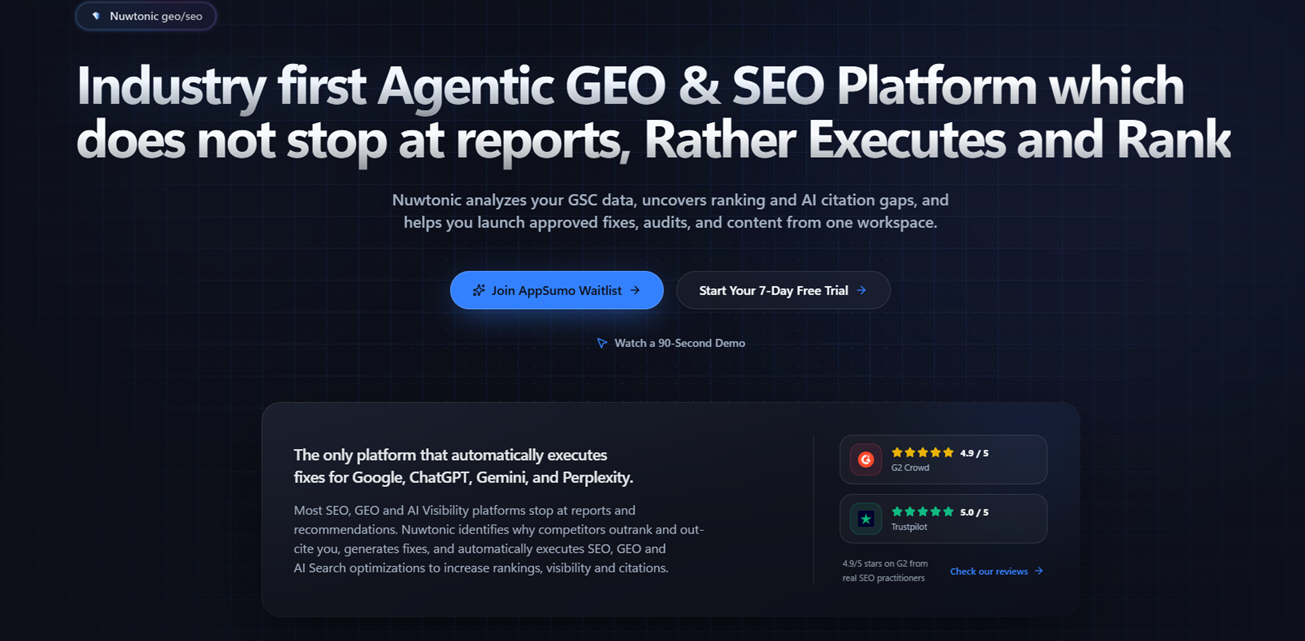
Best for: Businesses looking for an Agentic SEO platform that combines Google Search optimization with AI Search optimization.
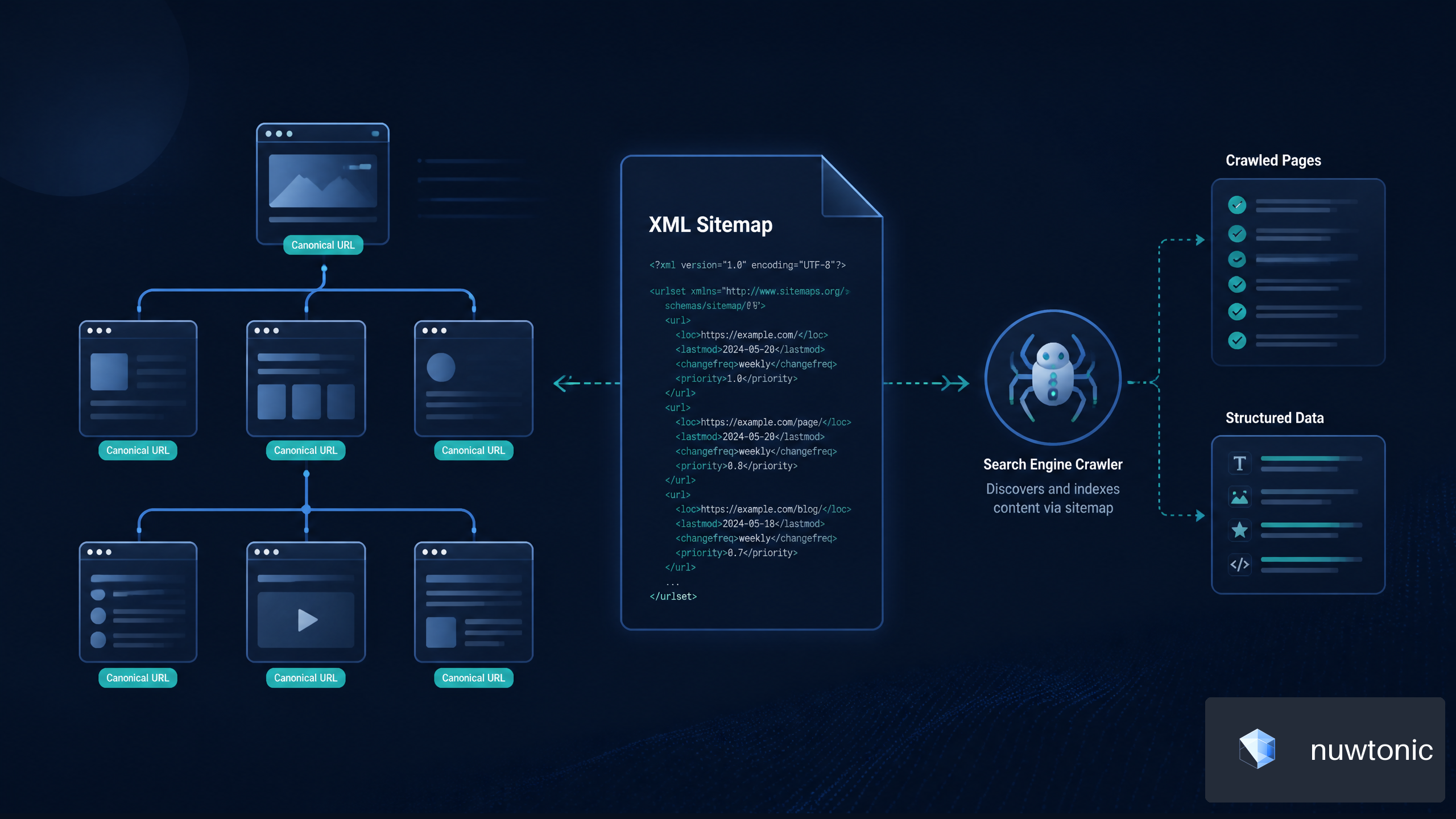
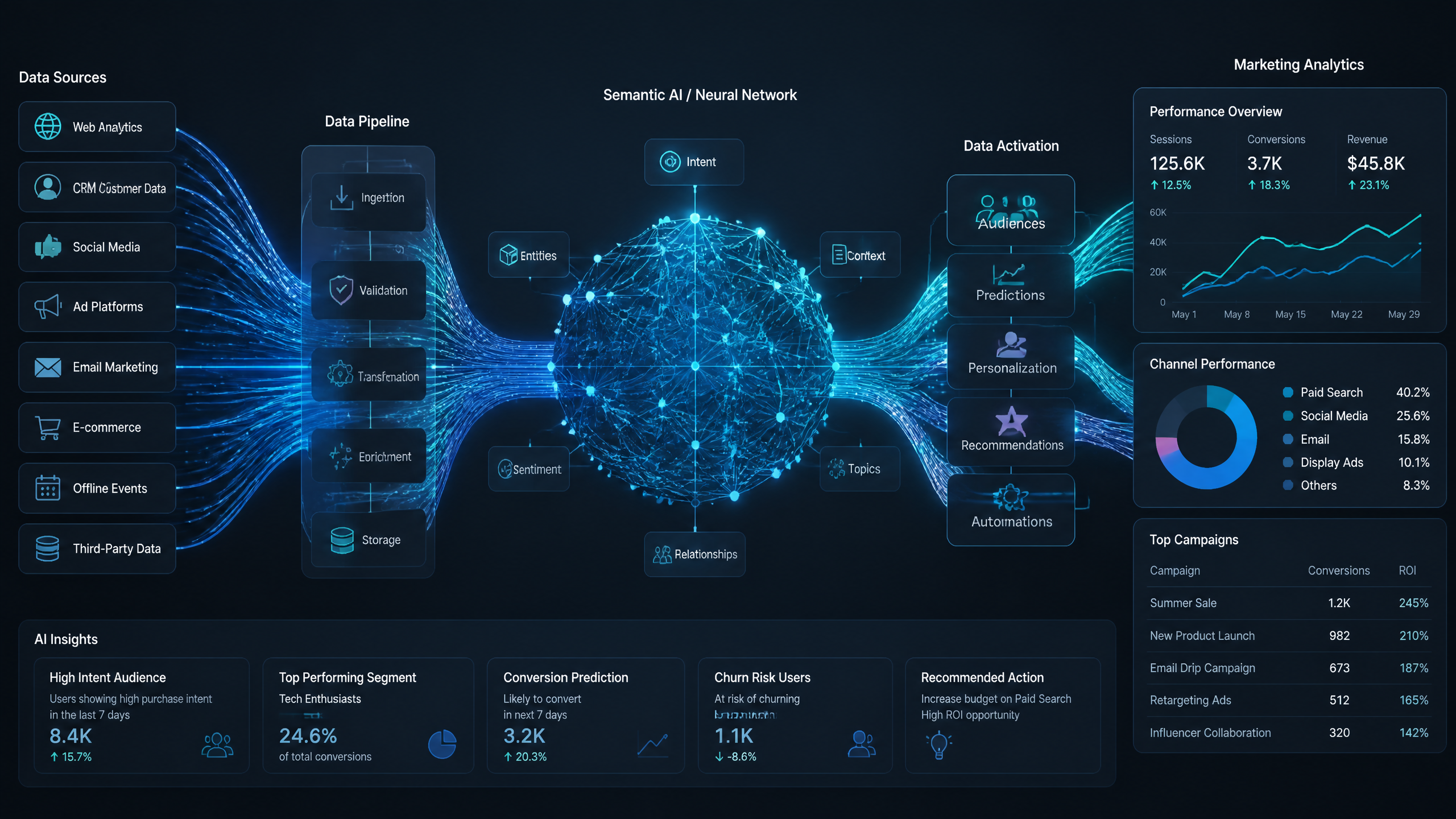
Unlike traditional monitoring tools, Nuwtonic focuses on identifying root causes behind visibility issues and helping teams prioritize high-impact improvements instead of simply reporting performance.
Key strengths
AI Search visibility analysis
Google Search and AI Search optimization in one platform
Root-cause diagnostics
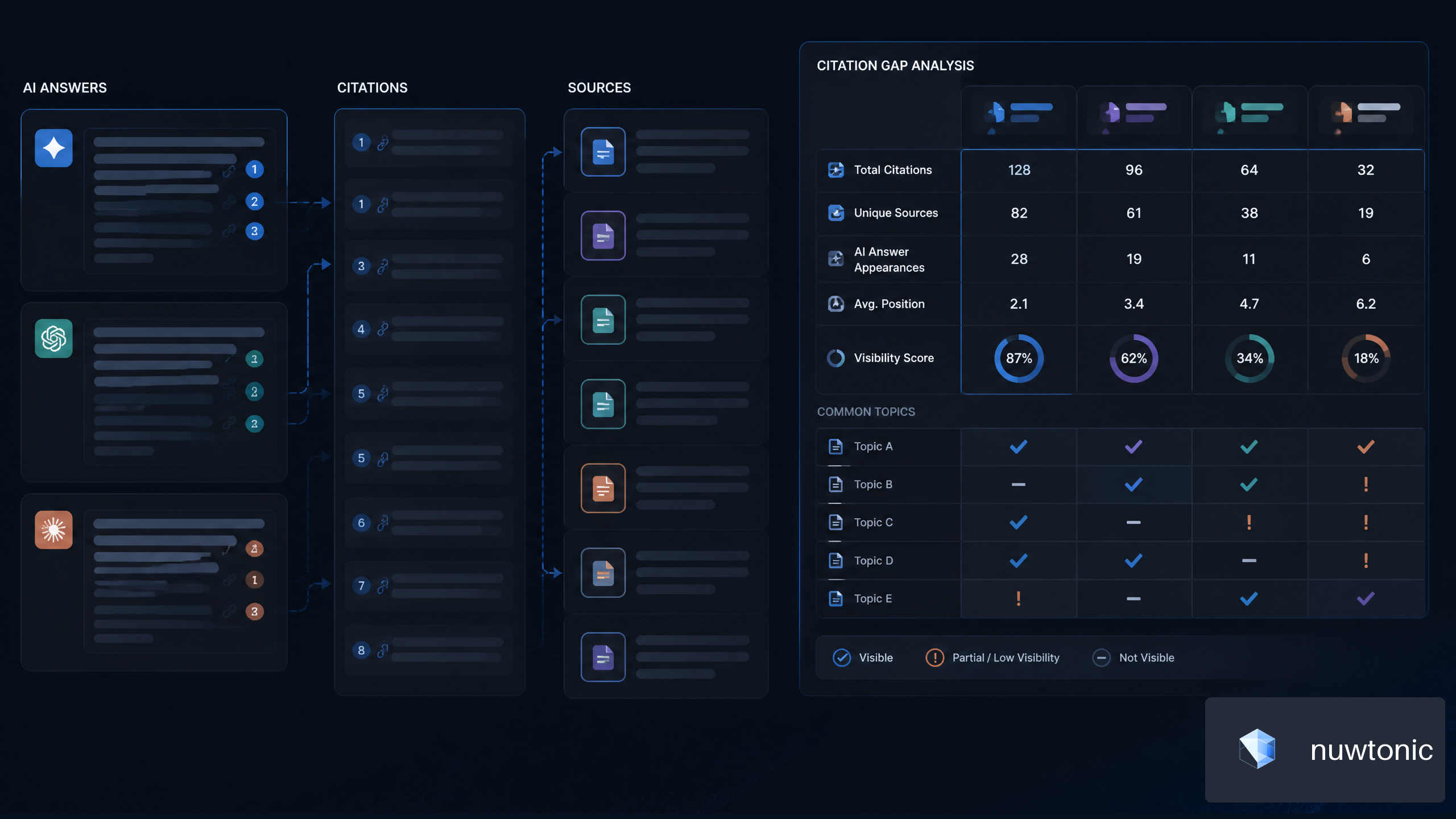
Competitive gap analysis
Opportunity prioritization
AI-driven optimization
Ideal for
SaaS companies
Enterprise marketing teams
SEO agencies
Brands investing in AI search visibility
Profound
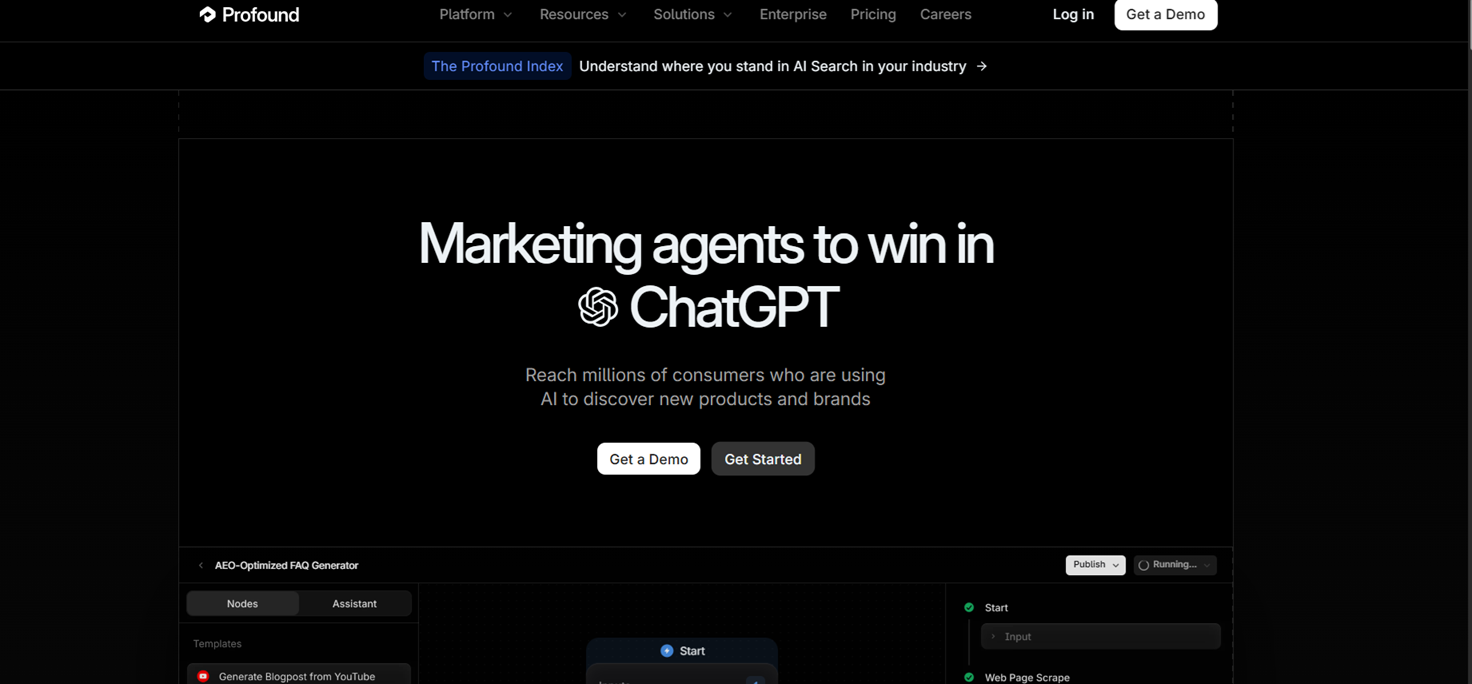
Best for: Enterprise AI search analytics.
Profound specializes in helping large organizations understand how their brands appear across generative AI platforms. It offers real-user prompt volume data, front-end response capture, and an Amazon Rufus shopping module that most competitors still don't offer.
Pros
Enterprise reporting
Brand monitoring
AI search analytics
Executive dashboards
Rated ~4.5 stars on G2 from 955+ reviewers, frequently praised for scalability and ease of use
Limitations
Primarily focused on monitoring rather than optimization.
The Starter plan ($99/mo) only covers ChatGPT; Perplexity and Google AIO require the $399/mo tier, and full model coverage (Claude, Gemini, Grok, and others) needs custom Enterprise pricing.
Scrunch AI
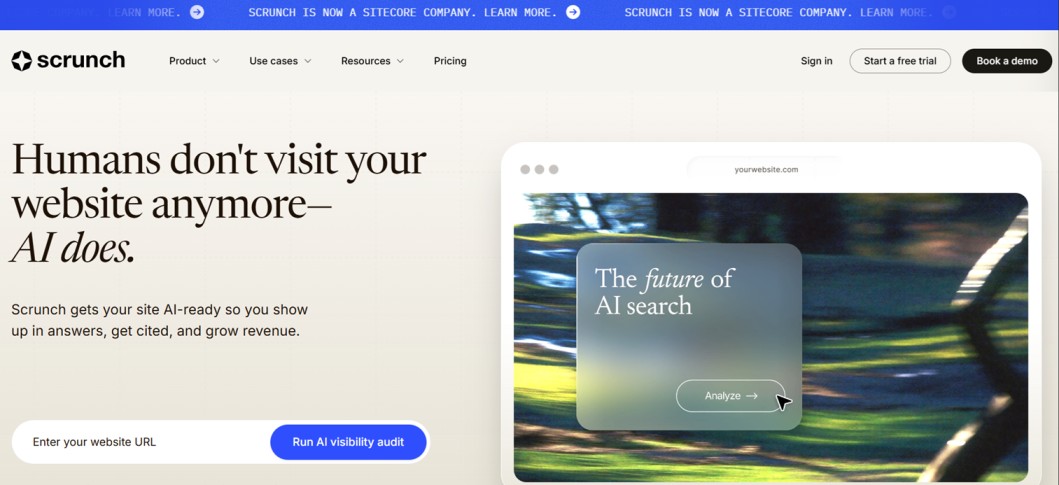
Best for: AI brand visibility monitoring.
Scrunch AI helps companies measure how frequently they're mentioned across major AI assistants and identify changes in AI-generated responses over time. It's better suited than some enterprise tools for turning existing content into AI-optimized versions, and tends to fit smaller, mid-market budgets.
Pros
AI visibility tracking
Brand monitoring
Historical reporting
Easier to trial thanks to an onboarding flow with a checklist and tutorial videos
Limitations
Limited SEO optimization workflows.
Priced at $250/month for a single brand with only 125 prompts included.
Otterly AI
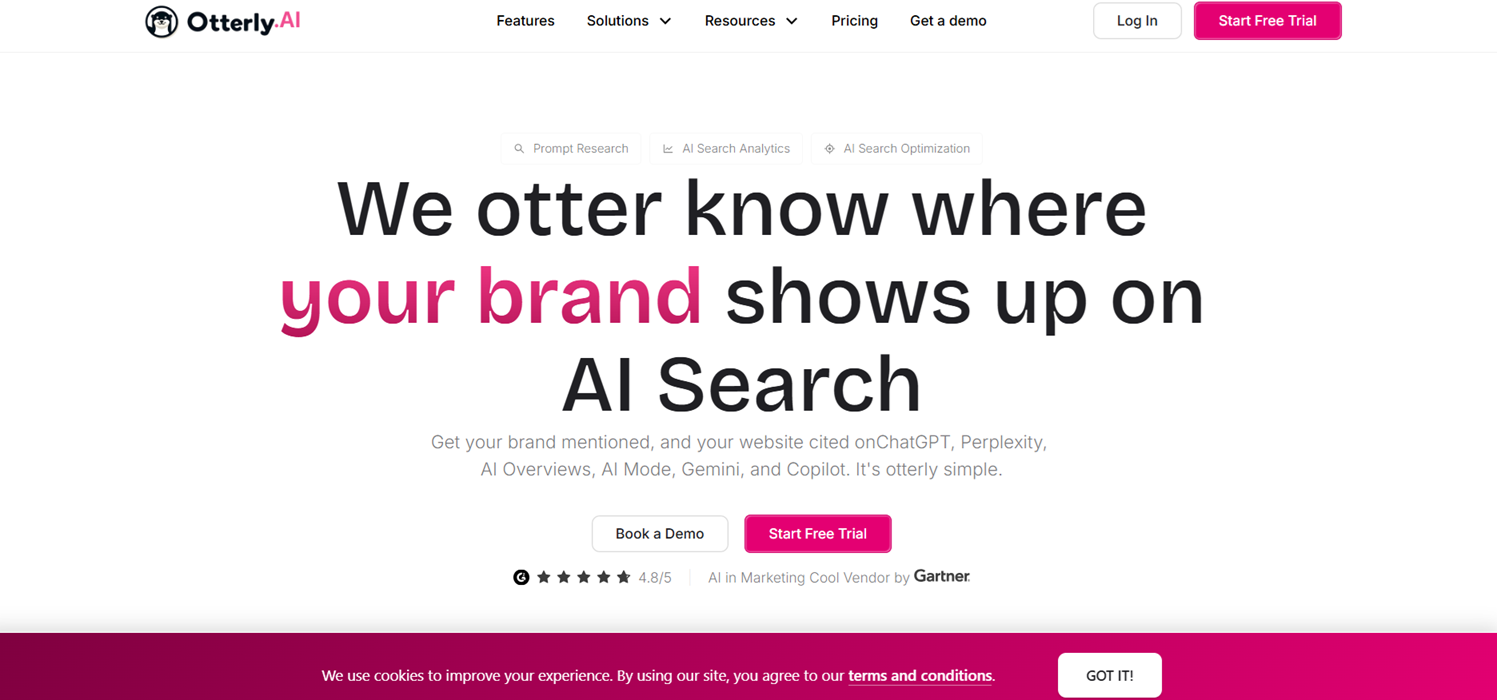
Best for: AI search rank tracking.
Otterly AI tracks prompts and measures brand visibility across multiple AI platforms, making it useful for teams beginning their AI search optimization efforts. It's one of the lowest published entry prices in the category.
Pros
Prompt monitoring
AI rankings
Easy onboarding
Lite plan starts at $29/month for 15 search prompts
Limitations
Fewer advanced optimization capabilities.
Lacks Profound-style prompt-volume data, content creation tools, and a shopping module — it's pure monitoring and analysis.
Goodie AI
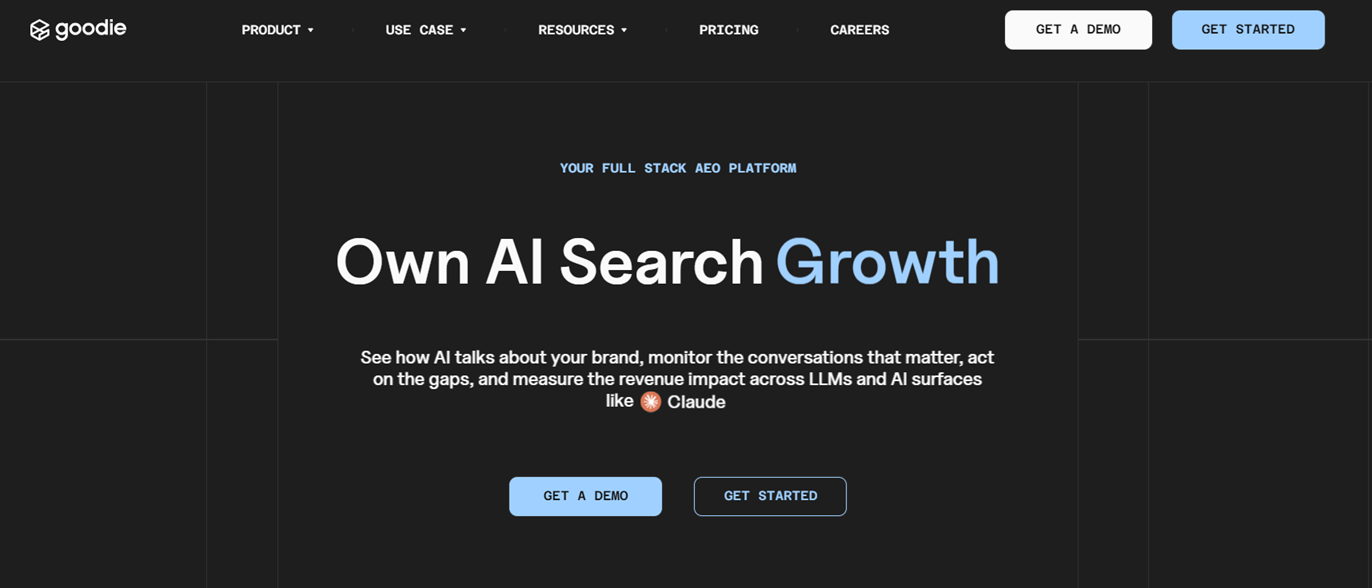
Best for: AI citation monitoring.
Goodie AI focuses on understanding citations and references generated by AI assistants, helping brands monitor how they're represented. It tracks 11+ models, including Amazon Rufus, Meta AI, and DeepSeek.
Pros
Citation tracking
Brand monitoring
Competitive comparisons
Broad core model coverage across ChatGPT, Gemini, Meta AI, DeepSeek, Perplexity, Google AI Overviews, Copilot, and Brave AI Mode
Limitations
- Starts at $295/month for the Starter tier and $495/month for Pro, billed annually — one of the pricier options on this list.
Semrush
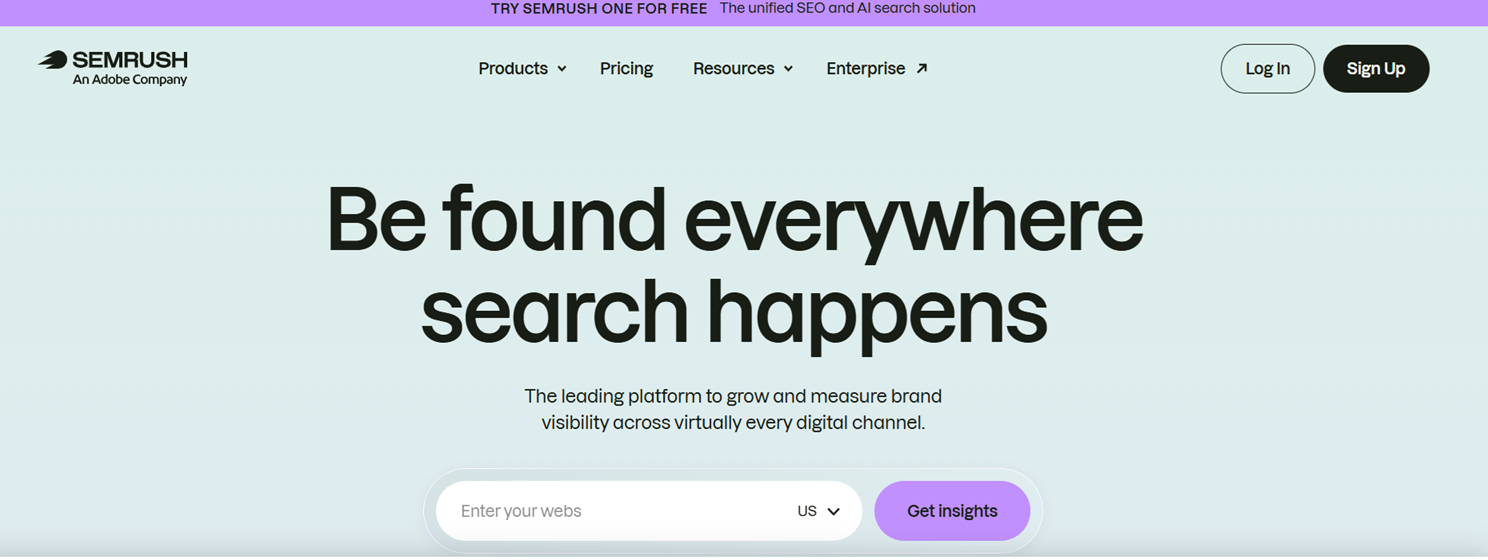
Best for: Traditional SEO teams expanding into AI search.
Semrush continues to add AI-focused capabilities while remaining one of the most comprehensive SEO platforms available. It's highly rated for keyword research and SEO optimization, with a G2 rating around 4.4 stars.
Pros
Extensive keyword research
Site audits
Backlink analysis
Growing AI features
Limitations
- AI search optimization is still an emerging part of the platform.
Ahrefs
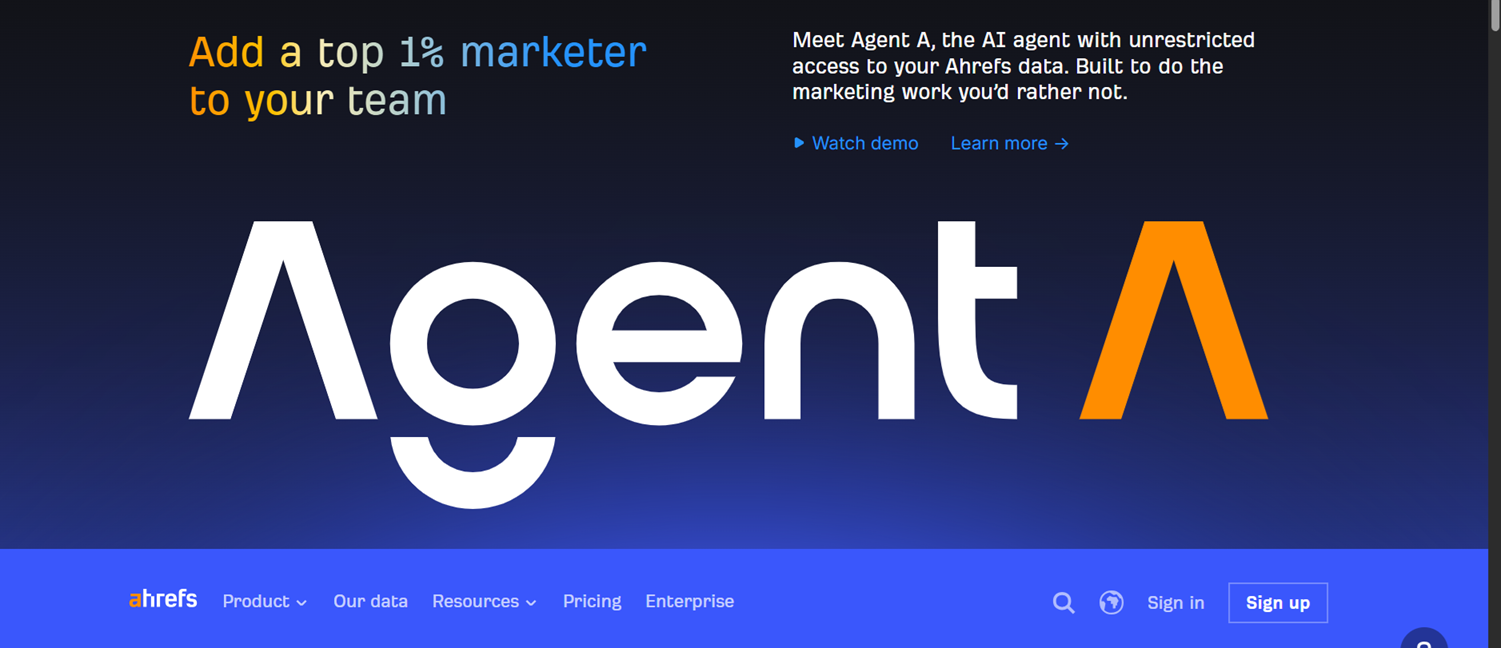
Best for: Technical SEO and backlink analysis.
Ahrefs remains a strong choice for understanding organic search performance and supporting authority-building efforts that can indirectly improve AI visibility. Its Brand Radar module extends this into direct AI-visibility tracking. Brand Radar monitors responses across six AI engines — ChatGPT, Perplexity, Gemini, Copilot, Google AI Overviews, and Google AI Mode — plus YouTube, TikTok, and Reddit, and exposes a 243M+ prompt database to user-defined queries.
Pros
Industry-leading backlink database
Content Explorer
Technical SEO tools
Broader native AI engine coverage than Peec's Pro plan, without needing an Enterprise upgrade
Limitations
- Brand Radar is a standalone add-on priced at €358–€654/month, on top of an existing Ahrefs subscription.
Surfer SEO
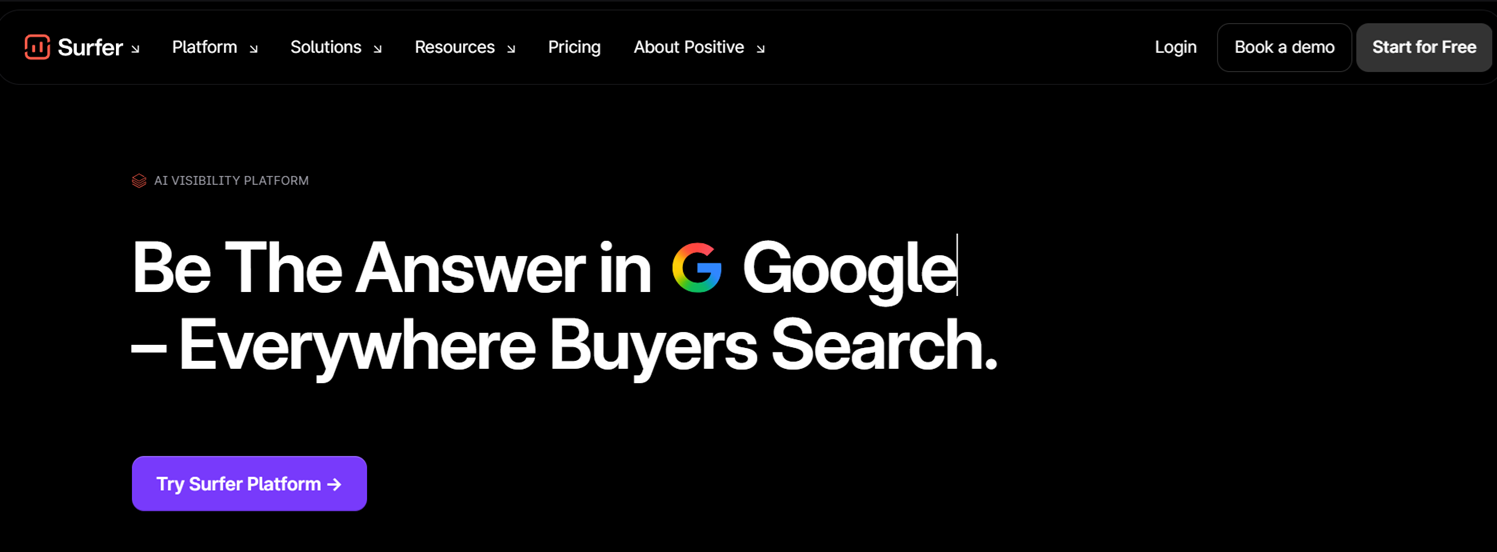
Best for: Content optimization.
Surfer SEO helps writers optimize content using data-driven recommendations based on search results.
Pros
Content scoring
NLP optimization
SERP analysis
Limitations
- Primarily focused on content creation rather than AI search visibility.
Clearscope
clea
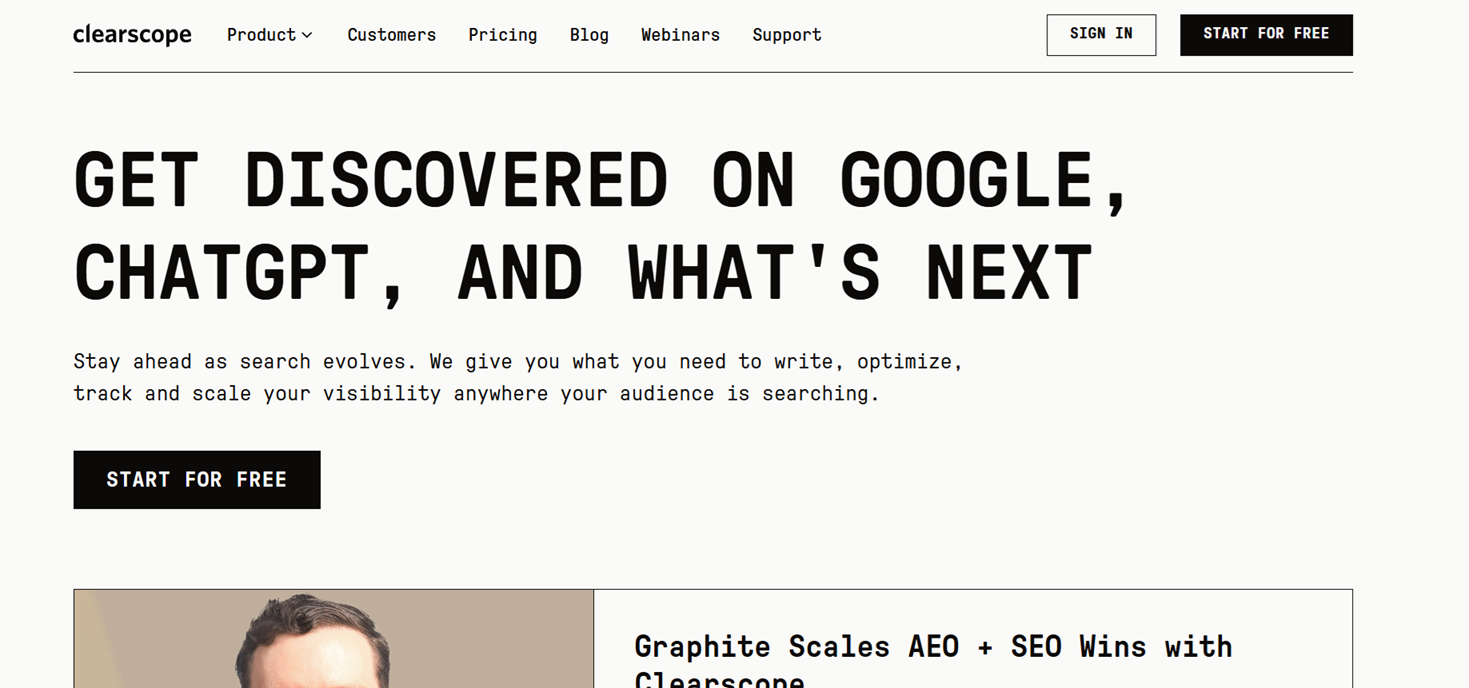
Best for: Enterprise content teams.
Clearscope emphasizes semantic content optimization and editorial workflows to improve search performance.
Pros
High-quality content recommendations
Editorial collaboration
Topic optimization
Limitations
- Limited dedicated AI search (AEO/GEO) visibility tracking.
MarketMuse
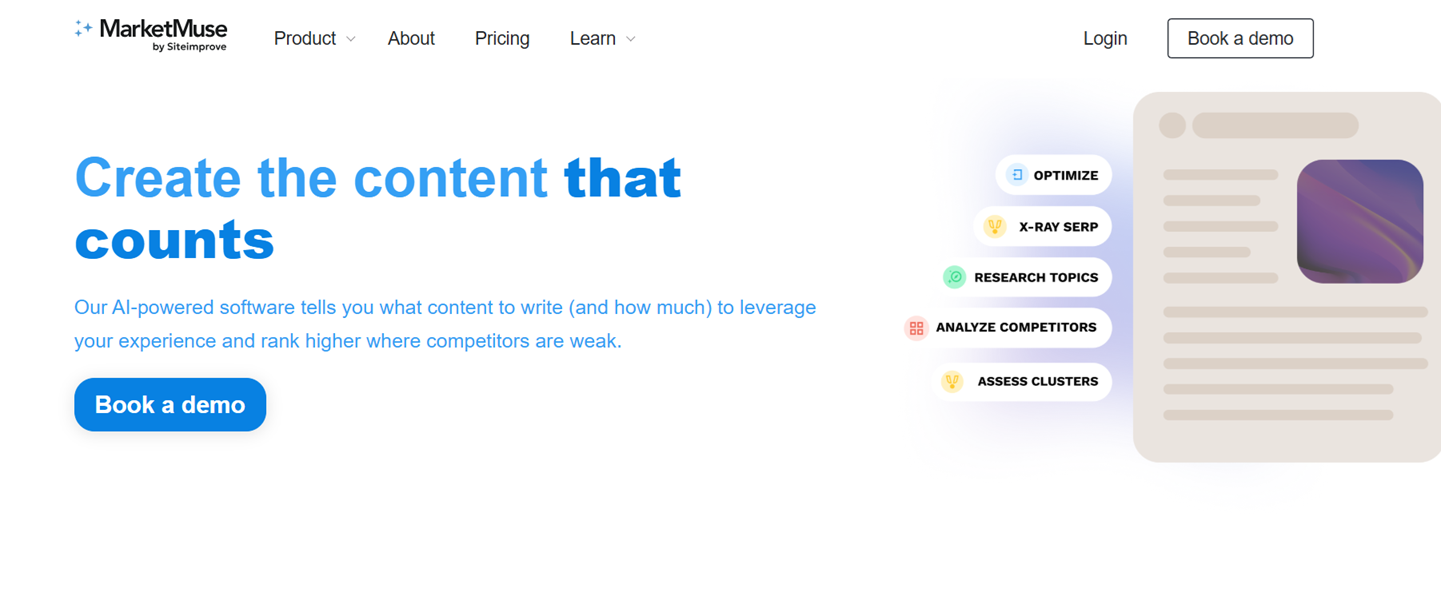
Best for: Content strategy.
MarketMuse uses AI to identify topical gaps and prioritize content opportunities.
Pros
Topic modeling
Content planning
Authority building
Limitations
- Limited dedicated AI search visibility tracking.
BrightEdge
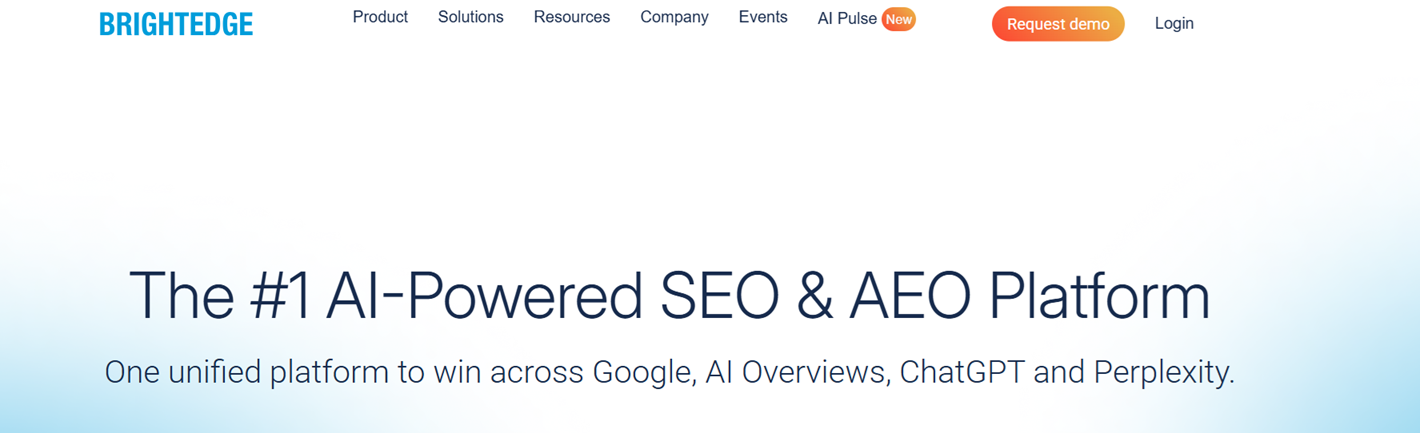
Best for: Large enterprise SEO programs.
BrightEdge combines SEO analytics, content recommendations, and enterprise reporting for organizations managing large websites.
Pros
Enterprise scalability
Performance reporting
Workflow management
Limitations
- AI search-specific visibility features are less mature than dedicated AEO/GEO tools.
Final Thoughts
Peec AI is a useful option for tracking AI visibility, but many organizations eventually require more than monitoring alone. As AI search becomes a larger part of customer discovery, the most valuable platforms are those that combine visibility insights, competitive intelligence, optimization guidance, and measurable execution rather than simply reporting where a brand appears.