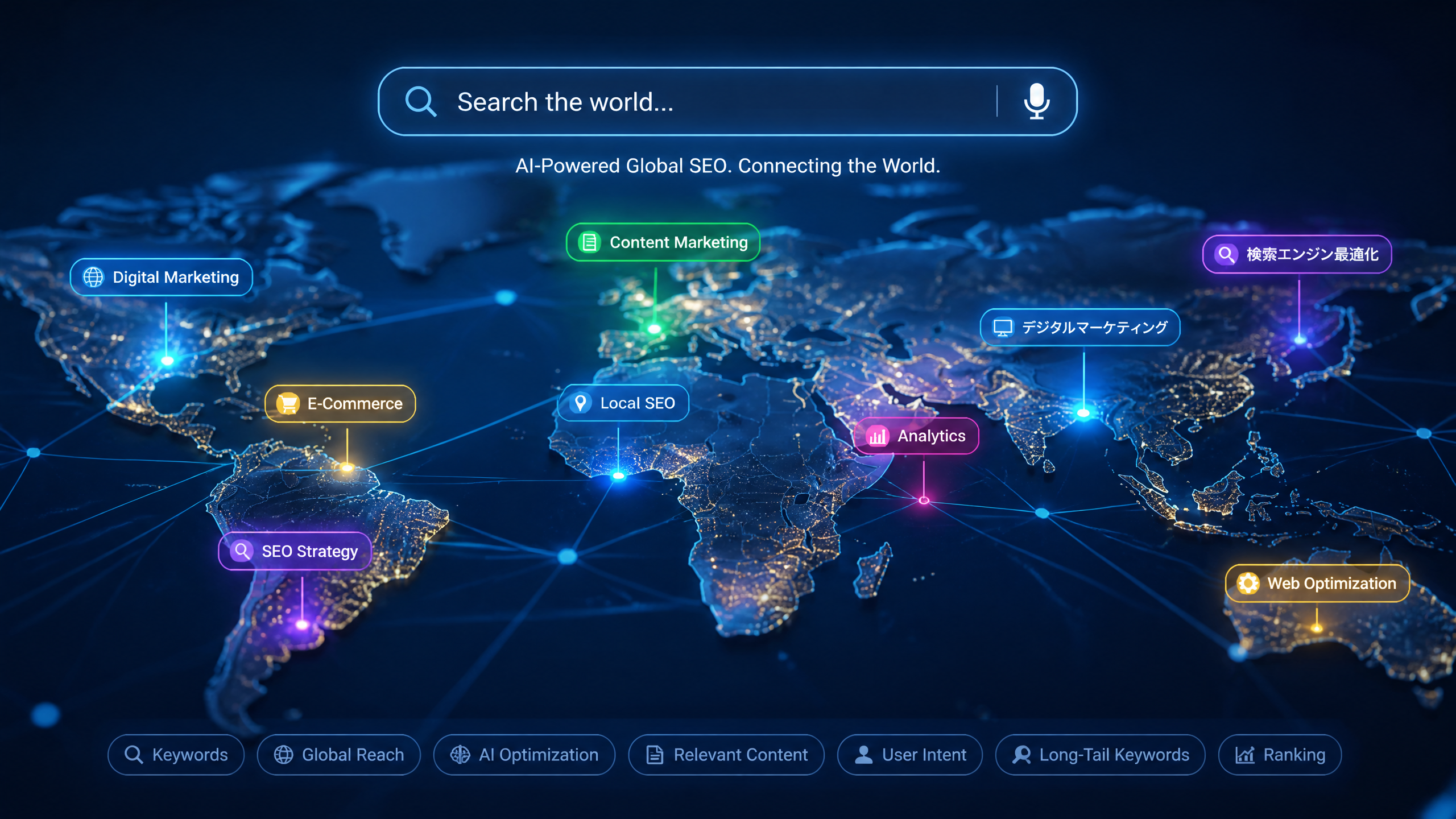
Alright, let's get real about how to conduct keyword research for international markets. Many guides make keyword research sound like rocket science, but really, it’s about understanding your audience's language and behavior.
When expanding globally, most people overlook the importance of cultural context when selecting keywords for international markets — it's not just about direct translations. You are not just optimizing for a different language; you are optimizing for a different human being with unique cultural triggers, buying habits, and search behaviors.
Over my 8 years in international SEO, I have helped multiple brands expand their reach across borders. In this manual, I am going to break down the exact methodology I use to capture foreign search traffic without burning your budget on the wrong terms.
TL;DR Summary
If you are rushing to launch a global campaign, here is the executive summary of what you need to execute:
• Stop translating directly: Direct translation destroys search intent. You must localize.
• Analyze the local SERP: Google's algorithms behave differently in Germany than they do in Japan. Always check the local SERP manually.
• Leverage native speakers: Use local experts to validate your seed keywords before scaling your content production.
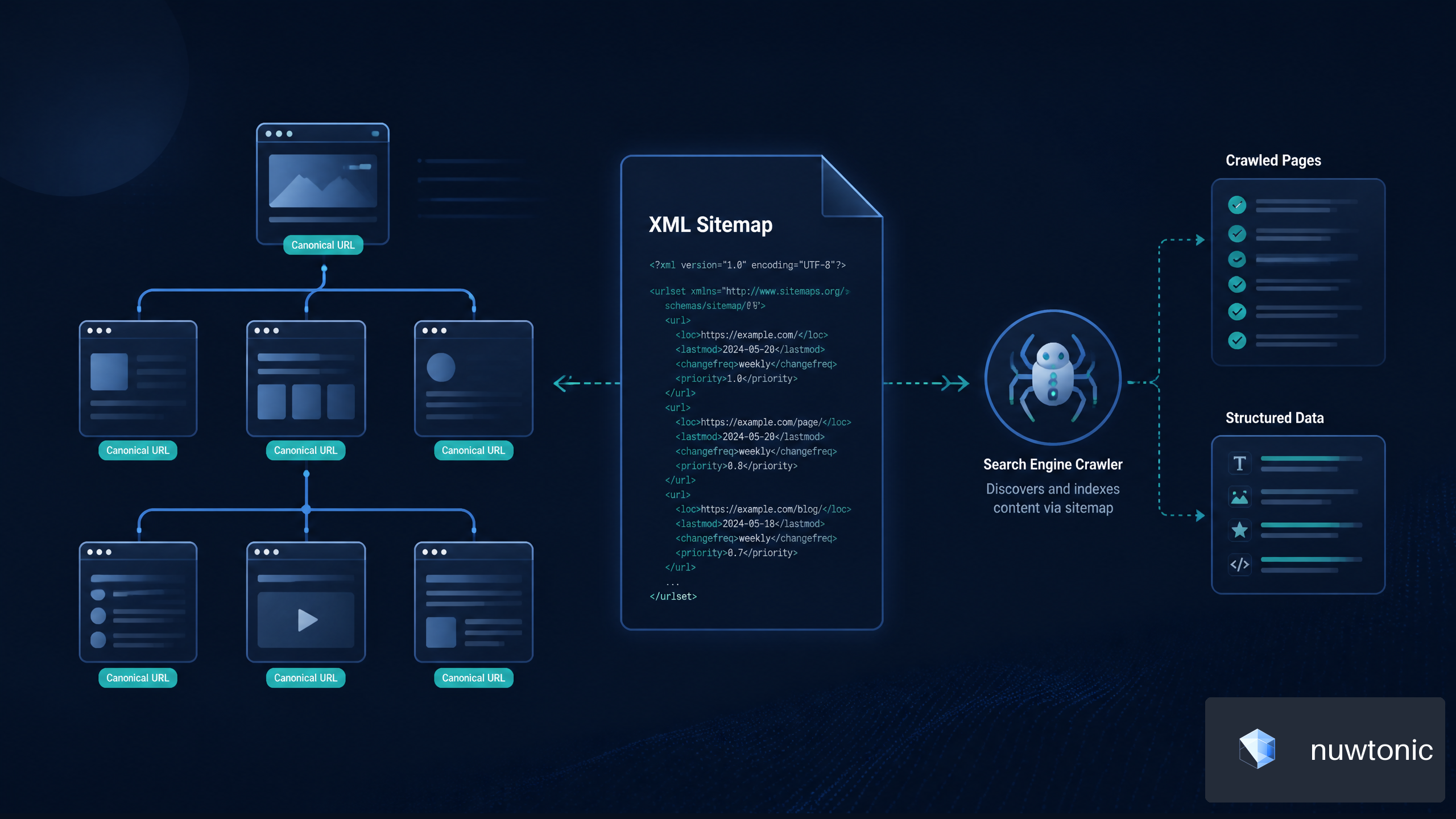
• Map keywords to architecture: Ensure your localized keywords are properly mapped to correct HREFLANG tags and geo-targeted URL structures.
Key Takeaways
Before we get into the weeds, you need to understand the fundamental pillars of international keyword strategy.
| Pillar | Why It Matters | Actionable Step |
|---|---|---|
| Cultural Context | Direct translations often target zero-volume or irrelevant terms. | Hire local native speakers to verify your initial seed keyword lists. |
| Search Intent | A transactional keyword in the US might be informational in France. | Manually review the top 10 results for your target keyword in the target region. |
| Geo-Targeting | Search engines need technical signals to serve the right content. | Align your localized keywords with specific ccTLDs or subdirectories. |
| Keyword Difficulty | Local competition varies wildly from your home market. | Prioritize long-tail keywords in highly competitive new markets. |
Table of Contents
- TL;DR Summary
- Key Takeaways
- What NOT to Do First: The Translation Trap
- The Core Framework: How to Conduct Keyword Research for International Markets
- Advanced Strategies for Specific Scenarios
- Mapping Keywords to HREFLANG and Site Architecture
- FAQ Section
- Sources/References
What NOT to Do First: The Translation Trap
Don’t just translate your keywords without context—trust me, I learned that the hard way.
My 2018 Expansion Disaster
Back in 2018, I was tasked with expanding a massive US-based software company into Latin America. I took our top-performing English keywords, ran them through a translation tool, and built a massive content strategy around the Spanish equivalents.
We launched. We waited. We got traffic—but zero conversions.
Why? Because the direct translation of our primary software category was a term locals only used when looking for free, open-source alternatives. The enterprise buyers we wanted were using a completely different, localized slang term. I essentially spent thousands of dollars ranking for the wrong search intent.
Translation vs. Localization
Here is the critical difference you must understand before touching any SEO tool:
| Approach | Methodology | Typical Outcome | Recommendation |
|---|---|---|---|
| Direct Translation | Converting words 1:1 from the source language to the target language. | High bounce rates, poor search intent match, wasted budget. | Avoid. Never rely solely on translation tools for keyword strategy. |
| Cultural Localization | Adapting the core concept to regional slang, cultural context, and local buying habits. | Higher conversion rates, accurate search intent, lower keyword difficulty. | Mandatory. Always localize concepts based on native user behavior. |
The Core Framework: How to Conduct Keyword Research for International Markets
Now that we know what to avoid, let's walk through the actual step-by-step process.
Step 1: Define Your Target Geo and Cultural Context
Before you look at search volume, you need to define your exact target market. "Spanish speaking countries" is not a target market. Spain, Mexico, and Argentina have vastly different vocabularies.
- Identify the specific country (e.g., Mexico).
- Identify the primary language used for business in that country.
- Note any regional dialects or variations in terminology.
Step 2: Seed Keyword Generation (The Right Way)
Instead of translating your English keywords, you need to discover how locals describe your product or service.
• Interview local sales teams: Ask them what phrases clients use on discovery calls.
• Analyze local competitors: Look at the exact phrasing your competitors in that specific country use in their H2 and H3 tags.
• Use native forums: Check local Reddit equivalents or industry forums to see the natural jargon used by your target audience.
Step 3: Analyzing Search Intent and SERP Features
Once you have a list of localized seed keywords, you must verify the search intent.
I always use a VPN set to the target country and manually search the terms. If you search for a term and see a SERP full of educational blogs, but you are trying to rank a product page, you will fail. The local algorithm has decided the intent is informational, not transactional.
Step 4: Evaluating Keyword Difficulty and CPC

I've seen too many brands invest heavily in high-volume keywords without considering local competition; sometimes, niche keywords offer better ROI.
When evaluating metrics in a new market, keep these comparisons in mind:
| Metric | What It Tells You Internationally | Actionable Insight |
|---|---|---|
| Search Volume | The total addressable market for that specific localized term. | Do not panic if volumes are lower than your home market; conversion rates are often higher. |
| Keyword Difficulty (KD) | How entrenched local competitors are. | Target long-tail keywords with a KD under 30 to build initial topical authority. |
| Cost Per Click (CPC) | The commercial value of the keyword in that specific region. | High CPC indicates strong transactional intent, even if search volume is low. |
Advanced Strategies for Specific Scenarios
Different business models require different approaches to international keyword research.
Multi-Region Targeting
When you are figuring out how to do keyword research for multiple locations, you quickly realize that Spanish in Mexico has completely different search intent than Spanish in Spain. You cannot use a one-size-fits-all approach. You must create separate keyword clusters for each specific country, even if they share a root language.
Leveraging AI for Scale
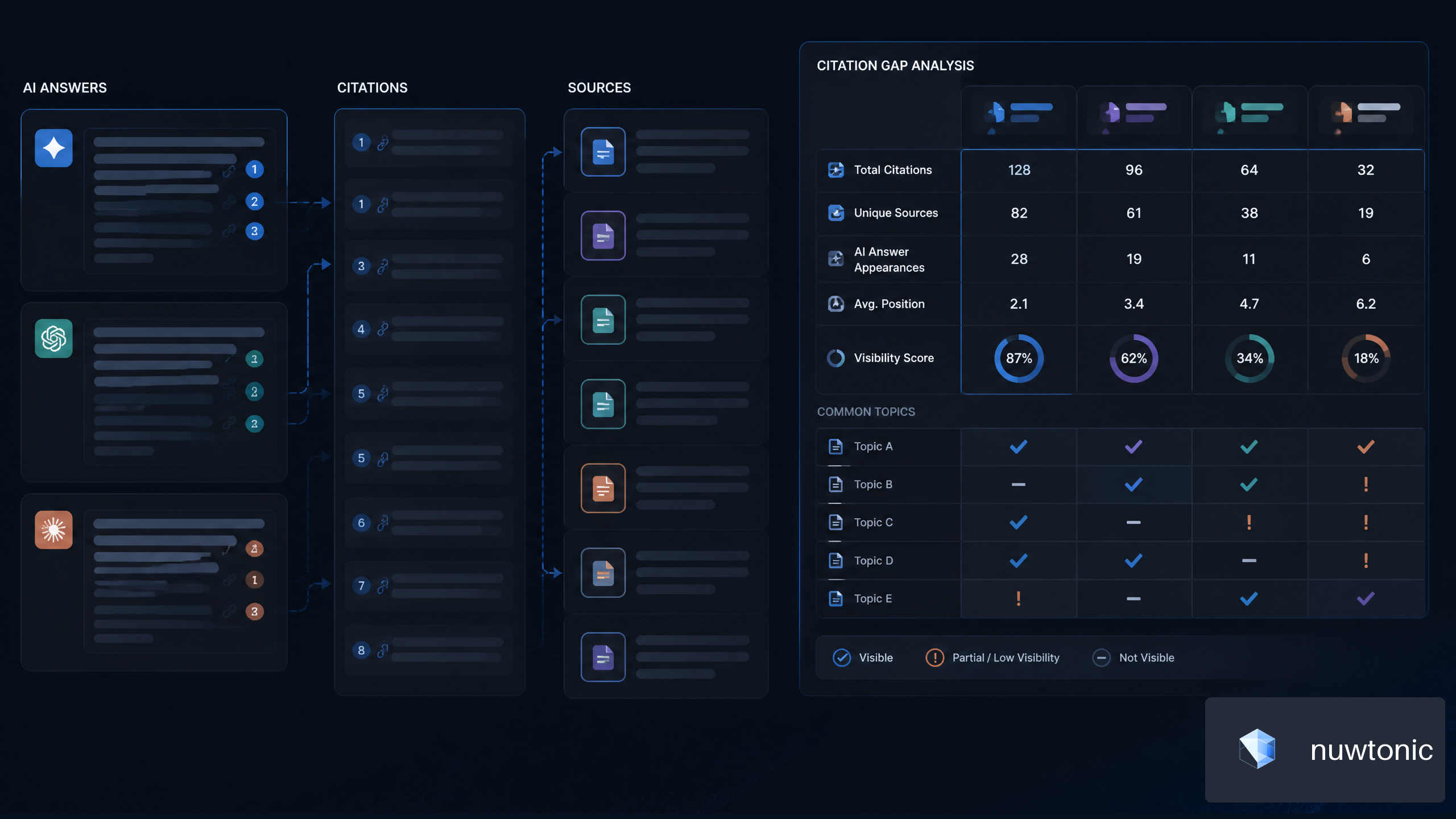
Handling keyword data across five different languages manually is a nightmare. This is exactly why use AI for keyword research has become a mandatory part of my workflow—it processes LSI keywords across different languages faster than any human could. AI tools like Nuwtonic can analyze local SERP data and instantly group keywords by localized search intent, saving weeks of manual spreadsheet work.
Global E-commerce Complexities
If you are selling physical products globally, understanding how to do keyword research for ecommerce requires mapping transactional intent to local purchasing behaviors.
For instance, in some European markets, users search for specific product serial numbers or highly technical specifications, whereas US buyers might search for broader benefit-driven terms. Your keyword strategy must adapt to how the local market shops.
Mapping Keywords to HREFLANG and Site Architecture
Keyword research is useless if search engines cannot understand which page belongs to which region.
Structuring Your URLs
You have three main options for structuring your international site to support your localized keywords:
| Architecture Type | Example | Pros | Cons |
|---|---|---|---|
| ccTLD | brand.de |
Strongest local geo-targeting signal. | Expensive to maintain; fragments domain authority. |
| Subdirectory | brand.com/de/ |
Consolidates domain authority; easy to manage. | Weaker local signal than ccTLD. |
| Subdomain | de.brand.com |
Separates server locations easily. | Often treated as separate sites by Google; dilutes authority. |
For most SMEs using Nuwtonic, I strongly recommend the Subdirectory approach (brand.com/de/) combined with strict HREFLANG tags.
Avoiding Cannibalization
If you have a page for the UK (/en-gb/) and a page for the US (/en-us/), they might target the exact same English keywords. Without proper HREFLANG tags, these pages will cannibalize each other in the SERP. Always ensure your keyword mapping document explicitly lists the HREFLANG pairings for every target term.
FAQ Section
What is the biggest mistake in international SEO?
The absolute biggest mistake is relying on direct machine translation for keyword research. It ignores cultural nuances, local slang, and actual search intent, leading to zero organic traffic and wasted resources.
How do I handle regions that speak the same language?
You must treat them as separate markets. The UK, US, and Australia all speak English, but search behaviors, seasonal trends, and local terminology vary wildly. Create separate keyword lists for each specific country.
Should I target high-volume keywords first in a new market?
No. When entering a new international market, your domain has zero local authority. Start by targeting low-difficulty, high-intent long-tail keywords to build initial traffic and trust before attacking the high-volume head terms.
Sources/References
• Methodology and frameworks in this guide are based on Nuwtonic's proprietary 2026 AI analysis models and over 8 years of direct practitioner experience in cross-border SEO deployments.