Generador de Meta Descripciones con IA Gratis
Crea resúmenes convincentes que atraigan clics. Nuestra IA analiza tu tema para sugerir meta descripciones perfectamente optimizadas en segundos.
Por qué las meta descripciones son vitales para el CTR
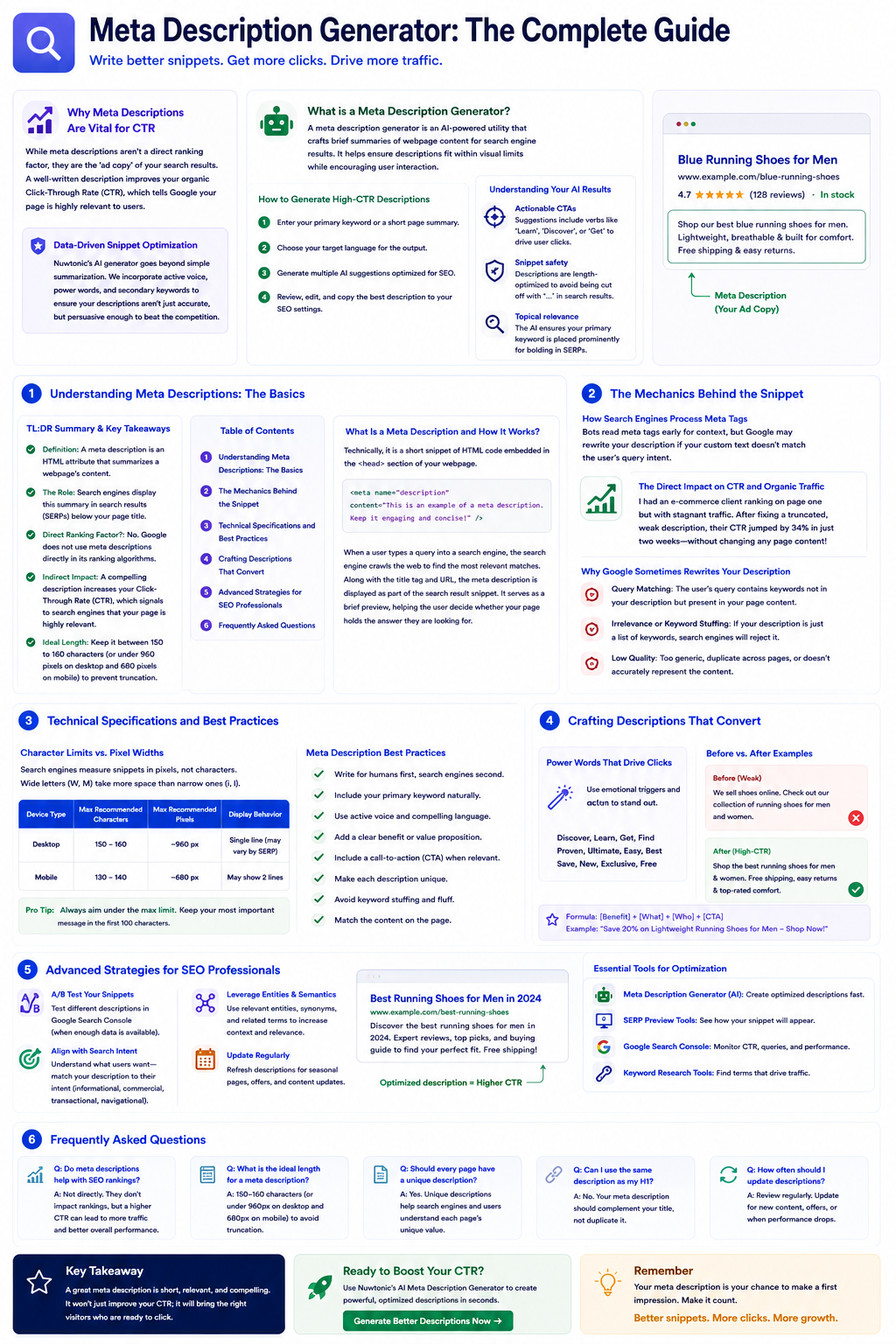
Aunque las meta descripciones no son un factor de posicionamiento directo, son el 'texto publicitario' de tus resultados de búsqueda. Una descripción bien escrita mejora tu tasa de clics (CTR) orgánica, lo que indica a Google que tu página es altamente relevante para los usuarios.
Optimización de fragmentos basada en datos
El generador de IA de Nuwtonic va más allá de un simple resumen. Incorporamos voz activa, palabras de poder y palabras clave secundarias para asegurar que tus descripciones no solo sean precisas, sino lo suficientemente persuasivas para superar a la competencia.
¿Qué es un Generador de Meta Descripciones?
Un generador de meta descripciones es una utilidad impulsada por IA que crea resúmenes breves del contenido de una página web para los resultados de los motores de búsqueda. Ayuda a asegurar que las descripciones encajen dentro de los límites visuales mientras fomentan la interacción del usuario.
Cómo generar descripciones con alto CTR
Introduce tu palabra clave principal o un breve resumen de la página.
Elige el idioma de destino para el resultado.
Genera múltiples sugerencias de IA optimizadas para SEO.
Revisa, edita y copia la mejor descripción en tu configuración de SEO.
Entendiendo tus Resultados de IA
CTAs Accionables
Las sugerencias incluyen verbos como 'Aprende', 'Descubre' o 'Obtén' para impulsar los clics de los usuarios.
Seguridad del fragmento
Las descripciones están optimizadas en longitud para evitar ser cortadas con '...' en los resultados de búsqueda.
Relevancia temática
La IA asegura que tu palabra clave principal se coloque de forma destacada para que aparezca en negrita en las SERP.
Understanding Meta Descriptions: The Basics
TL;DR Summary & Key Takeaways
If you are in a rush, here is the quick breakdown of what you need to know about meta descriptions:
- Definition: A meta description is an HTML attribute that summarizes a webpage's content.
- The Role: Search engines display this summary in search results (SERPs) below your page title.
- Direct Ranking Factor?: No. Google does not use meta descriptions directly in its ranking algorithms.
- Indirect Impact: A compelling description increases your Click-Through Rate (CTR), which signals to search engines that your page is highly relevant.
- Ideal Length: Keep it between 150 to 160 characters (or under 960 pixels on desktop and 680 pixels on mobile) to prevent truncation.
What Is a Meta Description and How It Works?
To understand what is a meta description and how it works, we must first look at it from both a technical and a psychological perspective. Technically, it is a short snippet of HTML code embedded in the <head> section of your webpage. It looks like this:
<meta name="description" content="This is an example of a meta description. Keep it engaging and concise!" />When a user types a query into a search engine, the search engine crawls the web to find the most relevant matches. Along with the title tag and URL, the meta description is displayed as part of the search result snippet. It serves as a brief preview, helping the user decide whether your page holds the answer they are looking for.
The Mechanics Behind the Snippet
How Search Engines Process Meta Tags
When search engine bots crawl your website, they read the HTML document from top to bottom. The meta tags provide immediate context about the page's topic before the bot even begins parsing the main body content. However, search engines are not strictly bound to display the text you write. If Google's algorithm determines that your pre-written meta description does not sufficiently answer a user's specific search query, it will dynamically pull a snippet of text directly from your page content instead. This is why writing a highly relevant, context-rich description is so critical—you want to give the search engine every reason to use your custom copy rather than generating its own.
The Direct Impact on CTR and Organic Traffic
While a meta description won't directly push your site from position #5 to position #1, it has a massive impact on your organic traffic.
Let me share a quick story. I had an e-commerce client who was ranking on page one for a high-value keyword, but their organic traffic was stagnant. After running a quick SEO audit, we realized their snippet was truncated and cut off mid-sentence. We rewrote it, kept it under the pixel limit, and their CTR jumped by 34% in just two weeks without changing a single word of the actual page content! This is the power of optimization. By treating your snippet as ad copy, you can capture a larger share of searchers even if your absolute ranking position remains the same.
Why Google Sometimes Rewrites Your Description
You know what? It can be incredibly frustrating to spend time crafting the perfect description only to find that Google has ignored it. There are three primary reasons why this happens:
- Query Matching: The user's search query contains keywords that are not present in your meta description but are present in your page content. Google dynamically extracts the text around those keywords to show relevance.
- Irrelevance or Keyword Stuffing: If your description is just a list of keywords, search engines will reject it in favor of natural page text.
- Low Quality: The description is too generic, duplicate across multiple pages, or does not accurately represent what is on the page.
Technical Specifications and Best Practices
Character Limits vs. Pixel Widths
One of the most common pitfalls in on-page SEO is relying solely on character counts. While the general rule of thumb is to stay under 160 characters, search engines actually measure snippets in pixels. Because letters like "W" and "M" take up more horizontal space than letters like "i" or "l", a 155-character description could still get truncated if it contains too many wide characters.
| Device Type | Max Recommended Characters | Max Recommended Pixels |
|---|---|---|
| Desktop | 155 - 160 characters | ~960 pixels |
| Mobile | 120 - 125 characters | ~680 pixels |
The Role of Mobile vs. Desktop Viewports
Because mobile screens are physically narrower, the space allocated for search snippets is smaller. If a significant portion of your organic traffic comes from mobile devices, you must front-load your most important keywords and your call to action (CTA). This ensures that even if the end of your description is truncated on a mobile viewport, the core message remains visible and compelling.
Using Tools to Perfect Your Length
Rather than guessing whether your copy will fit, you should rely on dedicated tools to preview your snippets before they go live.
- •To ensure your text falls within safe limits, use our meta description length checker.
- •To see exactly how your snippet will render to searchers, run it through our Google SERP preview tool.
Using these tools ensures that your hard work doesn't get cut off by an ellipsis (...) in the middle of a crucial sentence.
Crafting Descriptions That Convert
Writing for Humans: The Copywriting Angle
At its core, writing a meta description is an exercise in copywriting. You have less than two sentences to convince a real human being that your page is worth their valuable time. Don't just stuff keywords here—focus on clarity and appeal.
Use active voice and include a clear call to action. Words like "Learn," "Discover," "Find out," or "Get" prompt the user to take immediate action. Highlight a unique value proposition: Do you offer free shipping? A free download? An expert-backed guide? Put it in the snippet.
A Tale of Two Snippets: Good vs. Bad Examples
| Metric / Aspect | Bad Example | Good Example |
|---|---|---|
| The Copy | "We sell organic coffee beans. Buy coffee online. Best coffee beans. Cheap organic coffee. Freshly roasted." | "Discover the rich taste of hand-roasted, 100% organic coffee beans. Sourced sustainably. Order today for free shipping on your first bag!" |
| Length | 102 characters (Too short, repetitive) | 148 characters (Perfect length, engaging) |
| Keyword Strategy | Blatant keyword stuffing | Natural keyword integration |
| Call to Action | None | "Order today for free shipping!" |
| User Intent | Focuses on search bots | Focuses on human searchers |
Avoiding Common Snippet Pitfalls
- Duplicate Descriptions: Every single page on your website should have a unique description. Having identical snippets across multiple pages confuses search engines and dilutes your click-through potential.
- Using Double Quotes: Search engines often strip out double quotes (") when rendering HTML meta tags, which can cut your description short. If you must use punctuation, stick to single quotes or em-dashes.
- Inaccuracy: Never misrepresent what is on your page. If your snippet promises a free guide but the page immediately asks for a credit card, users will bounce instantly, harming your search performance.
Advanced Strategies for SEO Professionals
Dynamic Meta Descriptions for Large Scale Sites
If you are managing an e-commerce website with thousands of product pages, writing a unique description manually for every single page is practically impossible. In these scenarios, you should implement dynamic templating. For example, your CMS can automatically generate descriptions using variables:
"Buy [Product Name] online at [Brand Name]. Enjoy fast shipping, secure checkout, and a 30-day money-back guarantee on all [Category] items."Leveraging AI for Rapid Content Optimization
For mid-sized websites or landing pages that need a more personalized touch, AI can bridge the gap between manual writing and automated templates. Using our AI-powered meta description generator allows you to instantly generate highly engaging, optimized, and keyword-rich snippets tailored to your specific page content in seconds.
Frequently Asked Questions About Meta Descriptions
Quick Answers to Common Snippet Questions
Does a meta description affect my search rankings directly?
No. Google has explicitly stated that meta descriptions are not a direct ranking signal. However, they directly affect your organic click-through rate (CTR), which is a critical user engagement signal that heavily influences your overall search visibility.
What happens if I don't write a meta description?
If you leave it blank, search engines will automatically generate one by pulling a snippet of text from your webpage. This text is often unoptimized, cut off, or irrelevant, which can significantly lower your CTR.
How long does it take for Google to update my snippet in search results?
It depends on how often Google crawls your website. Typically, changes will appear within a few days to a couple of weeks. You can speed up this process by requesting a recrawl of the page via Google Search Console.
How long should a meta description be?
Ideally, keep it between 150 and 160 characters on desktop (under ~960 pixels) and 120 to 125 characters on mobile (under ~680 pixels) to prevent truncation.
Should I include keywords in my description?
Yes! Google bolds keywords in the description that match the user's search query, which makes your result stand out visually.
Does every page need a unique description?
Yes. Duplicate meta descriptions across multiple pages can hurt your SEO and make it harder for users to distinguish between your content.
Is this AI tool free to use?
Yes, our meta description generator is free for all users to help them optimize their on-page SEO more effectively.
Prueba nuestras otras herramientas gratuitas de SEO e IA
Hemos reunido algunas de nuestras herramientas gratuitas que podrían ayudarte en tus esfuerzos de SEO.
Filtrar qué herramientas ver
Generador de Títulos Meta Gratis
Genera etiquetas de título con alto CTR optimizadas para Google usando IA.
Herramienta Gratis de Keyword Clustering
Agrupa keywords relacionadas en clusters temáticos para una estrategia SEO más sólida.
Buscador de Keywords para AI Overview
Detecta keywords que activan AI Overviews y evalúa oportunidades de citación con señales de volatilidad.
Buscador de Keywords de Baja Competencia
Encuentra SERPs débiles, oportunidades dominadas por foros y keywords donde sitios de baja autoridad pueden ganar.
Buscador de Keywords de Reddit
Extrae preguntas recurrentes, puntos de dolor e intención de compra desde Reddit y foros.
Herramienta de Keywords de Pregunta
Encuentra keywords estilo FAQ y preguntas comunes de usuarios.
Buscador de Keywords con Intención de Compra
Filtra específicamente keywords comerciales y transaccionales.
Buscador de Keywords de Cero Volumen
Descubre keywords emergentes u ocultas que las herramientas tradicionales no detectan.
Verificador de Longitud de Título Gratis
Verifica si tus títulos se ajustan a los límites de píxeles para evitar que se corten.
Verificador de Longitud de Meta Descripción Gratis
Verifica si tus meta descripciones se ajustan a los límites de píxeles.
Simulador de SERP de Google Gratis
Simula cómo se verían tu título y descripción en los resultados de Google.
Verificador de Marcado Schema Gratis
Valida tus datos estructurados para asegurar que sean legibles por los buscadores.
Prueba de Resultados Enriquecidos Gratis
Determina si tu página es apta para resultados enriquecidos en Google.
Verificador de Texto Alt Gratis
Identifica textos alt faltantes, vacíos o duplicados en tus imágenes.
Generador de Texto Alt Gratis
Genera instantáneamente textos alt descriptivos y accesibles para tus imágenes.
Generador de Nombres de Archivo Gratis
Convierte texto plano en nombres de archivo de imagen optimizados para SEO.
Herramienta de Auditoría SEO On-Page Gratis
Ejecuta una auditoría on-page para páginas de servicios SEO, procesos de technical SEO audit y mejoras de SEO optimization.
Verificador de Etiquetas H1 Gratis
Identifica la presencia y el contenido de las etiquetas H1 en cualquier página.
Verificador de Estructura de Encabezados Gratis
Audita tus etiquetas H1-H6 para asegurar una estructura lógica y amigable para el SEO.
Verificador de URL Canónica Gratis
Identifica las URLs canónicas declaradas y analiza las señales asociadas.
Herramienta de Auditoría EEAT Gratis
Analiza tu contenido para señales de Experiencia, Experticia, Autoridad y Confiabilidad de Google.
Herramienta de Auditoría AIO y GEO Gratis
Optimiza tu contenido para Resúmenes de IA y Experiencia Generativa de Búsqueda con una auditoría detallada.
Verificador de Enlaces Rotos Gratis
Escanea una página para identificar enlaces que devuelven errores.
Verificador de Redirecciones Gratis
Analiza el comportamiento de redirección de URLs para identificar tipos y destinos.
Últimos artículos relacionados con SEO e IA
Explorar todos los artículos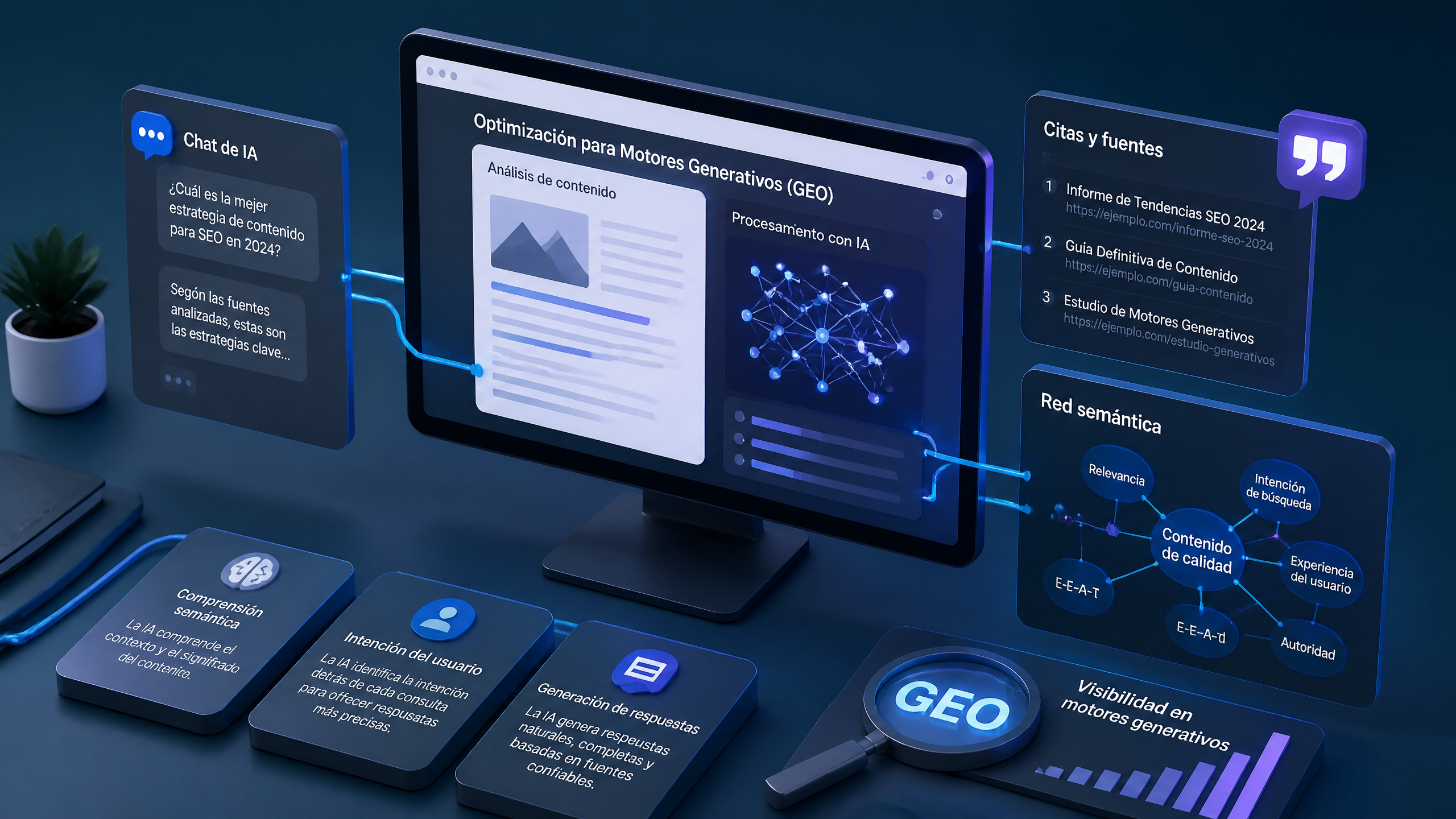
¿Cómo empezar con Generative Engine Optimization (GEO)?
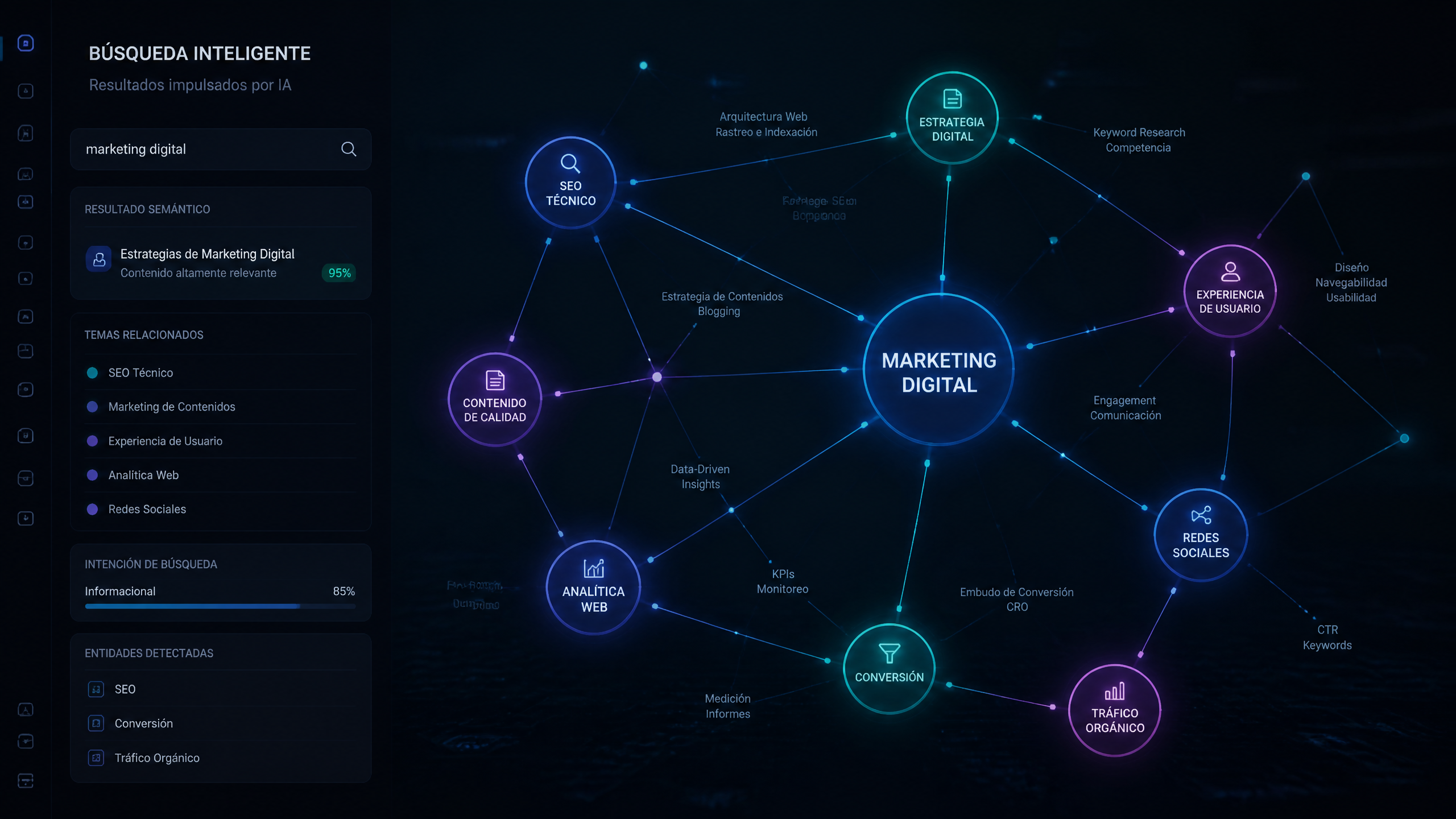
How to Create a Topical Map for AI Search: Guía de Autoridad Semántica
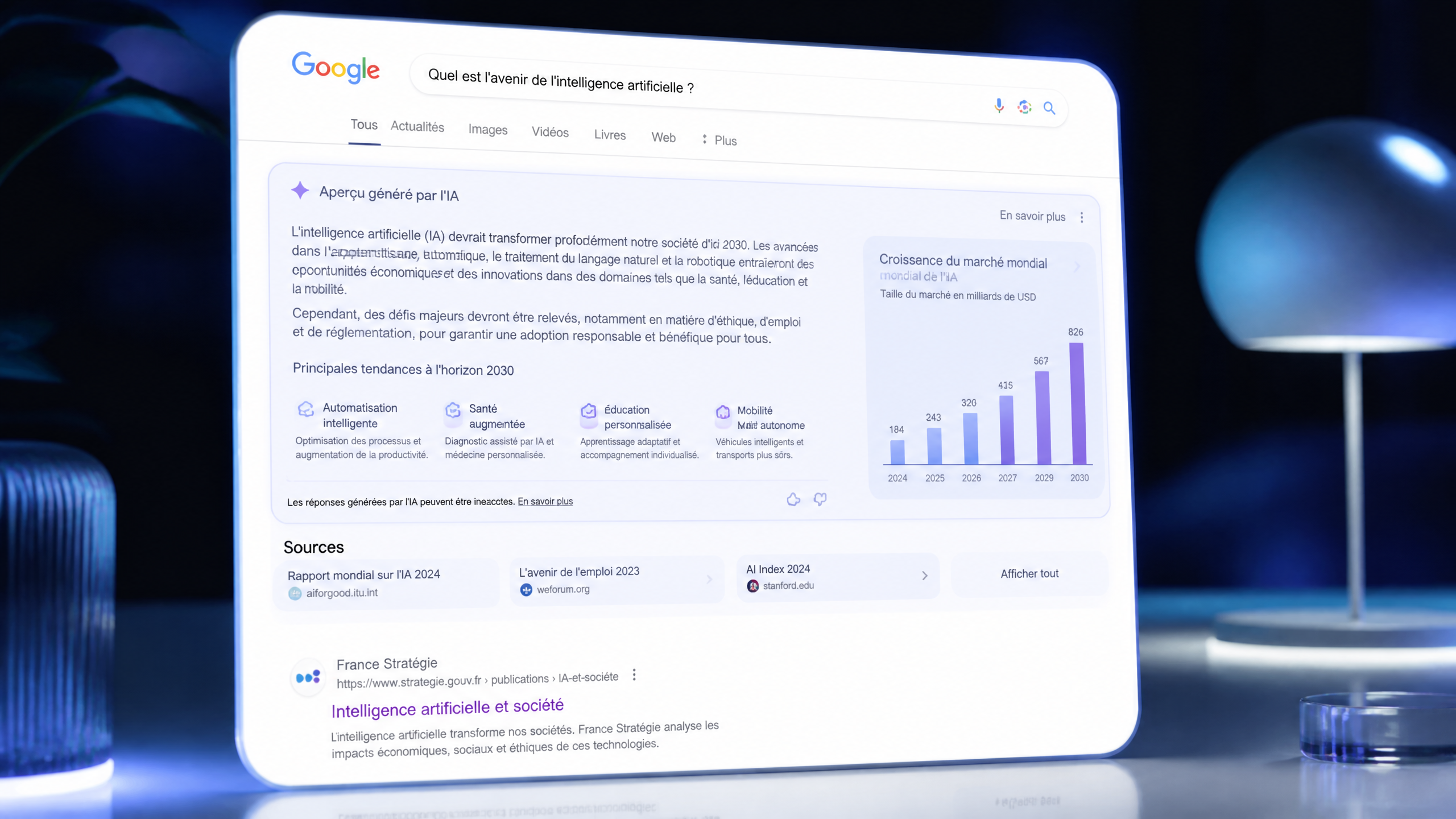
How to Rank in Google AI Overviews: Guía Definitiva de SEO para IA
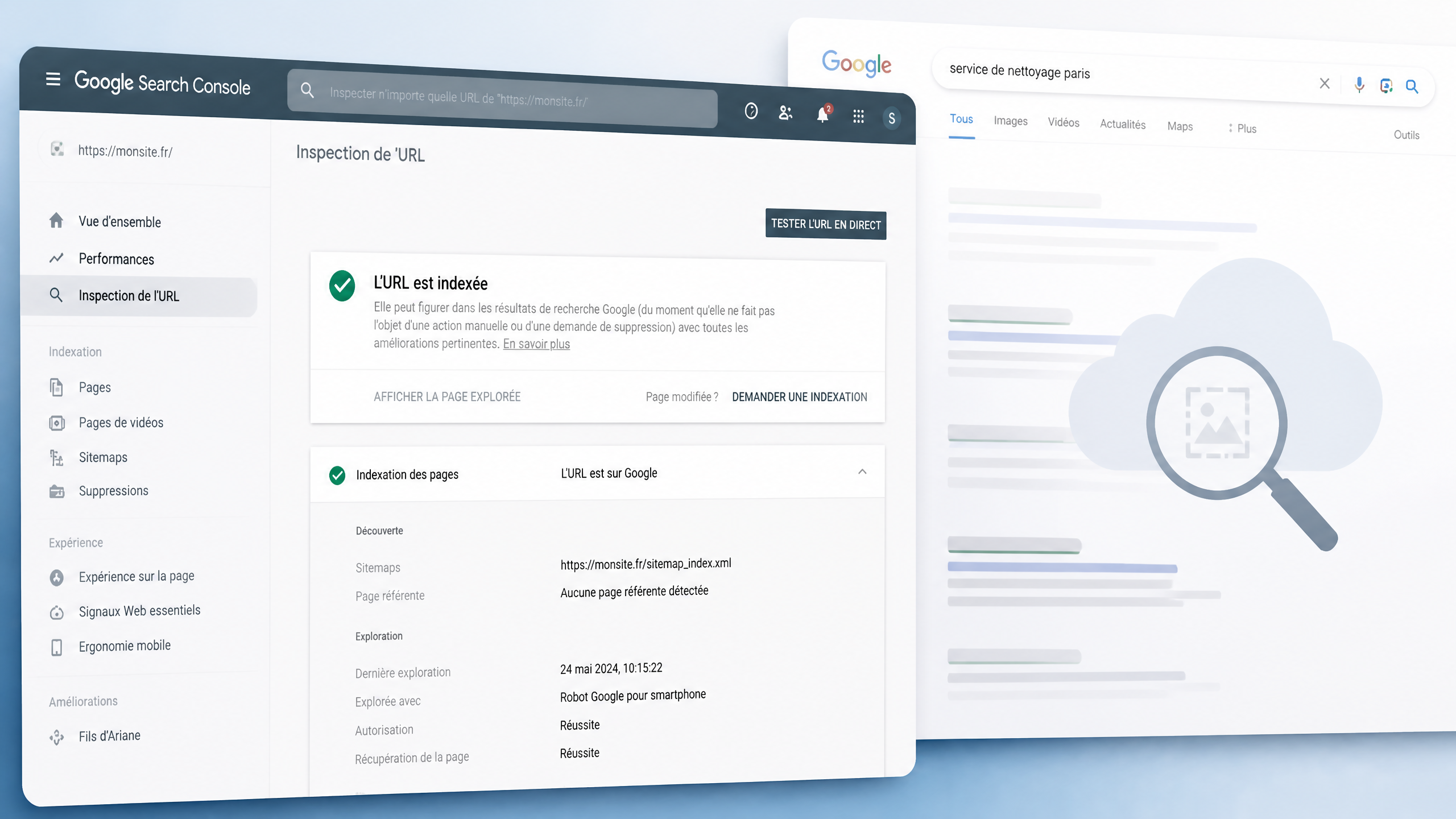
Google has indexed page but not ranking fix: Guía de diagnóstico
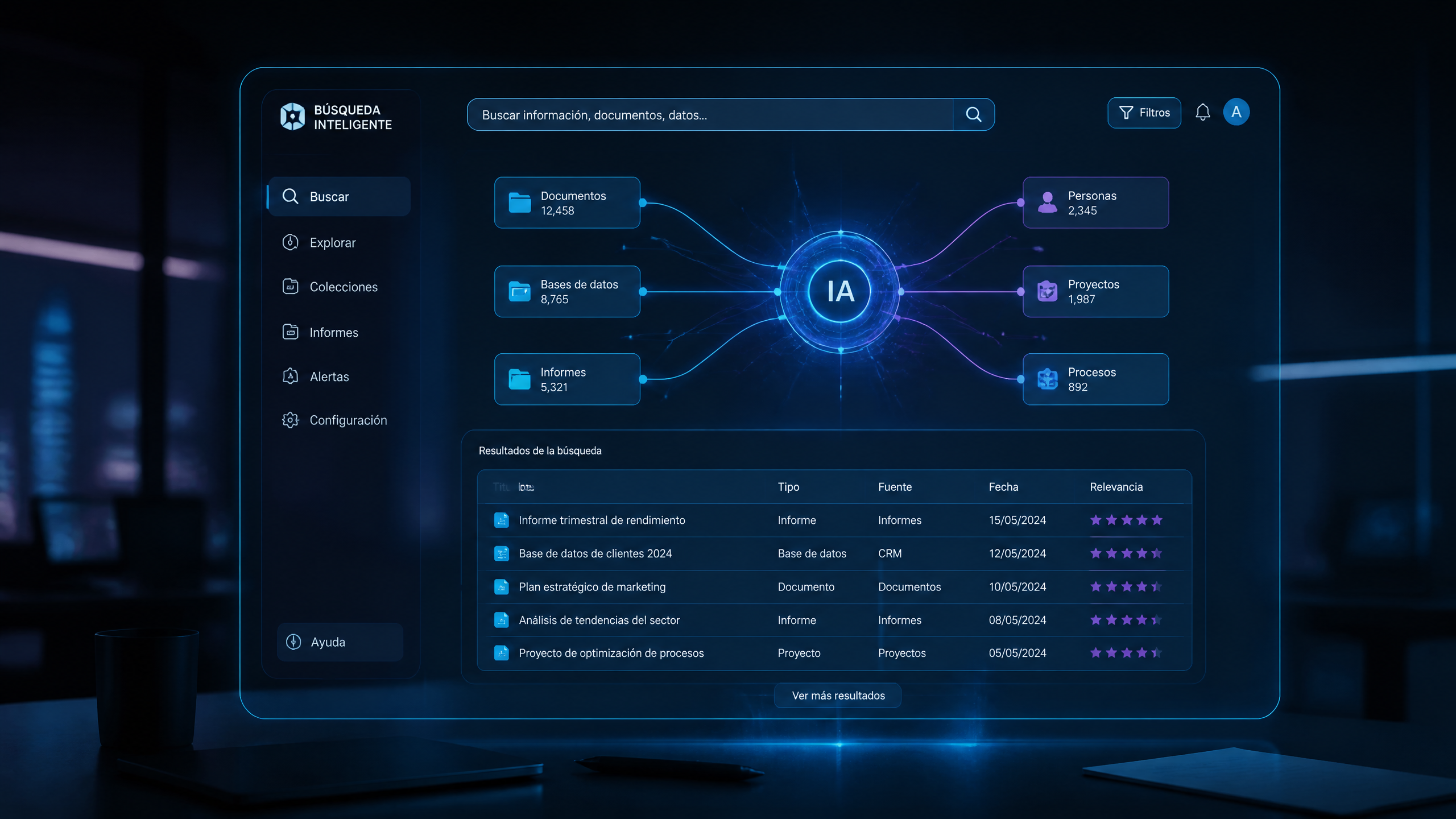
Cómo Optimizar para Perplexity AI Search en 2026: Guía de SEO Generativo